3 Soft Skills That Helped Me Succeed in Web Development

M Chetmars
Author
Why Good Code Is Useless Without Good Communication
If you ask someone what it takes to be a great web developer, they’ll probably list the usual suspects—JavaScript, React, GitHub, maybe some backend chops. And fair enough, tech skills matter. But in my experience, what really pushed my career forward wasn’t just the lines of code I wrote—it was the way I connected with people around that code.
At Flamincode, we’ve worked with all kinds of businesses across Australia—from small local cafés to growing eCommerce legends. The clients who stick with us don’t just stay because we build “clean websites.” They stay because we listen, we understand their goals, and we speak their language (yep, even the non-techies). And that’s not just a company value—it’s something I personally had to learn the hard way.
Skill #1: Communication That Actually Lands
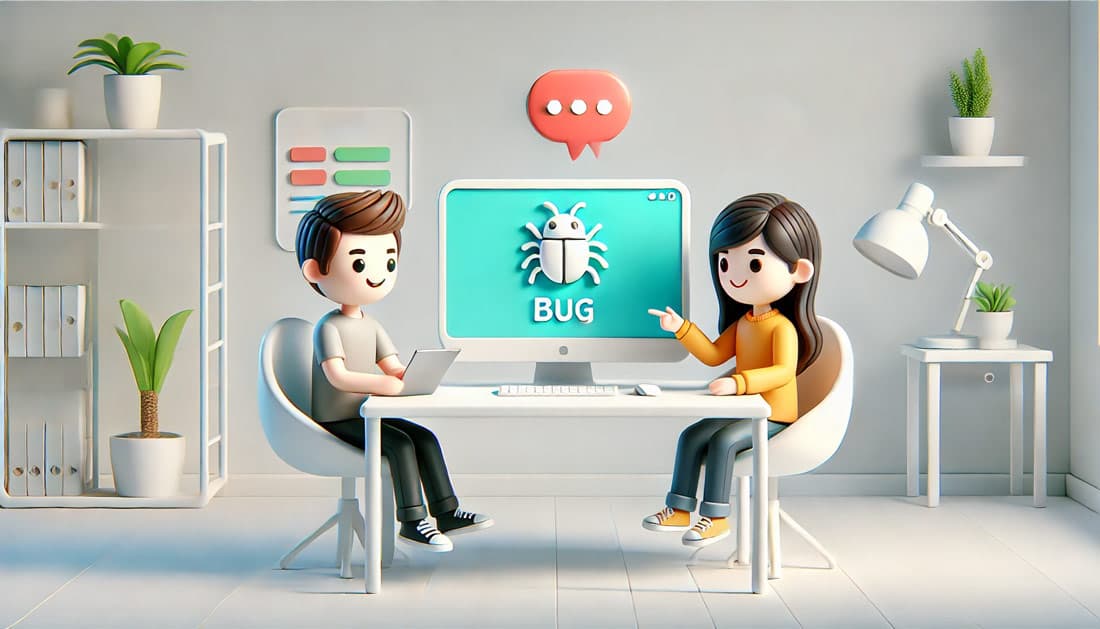
Back when I first started freelancing, I thought being a dev meant sitting quietly behind a screen, smashing out features, and pushing commits. Talk less, code more. That was the vibe, right?
Wrong.
I still remember one of my earliest client calls. The guy wanted a custom booking system. I nodded a lot, jotted some notes, and figured I’d figure it out later. But by the time I delivered the first version, it was completely off. He wanted something that looked like Airbnb—I’d built something closer to Google Calendar. Oops.
Turns out, I hadn’t really listened. I hadn’t asked follow-up questions, hadn’t shown mockups early, and hadn’t even clarified what “custom booking” meant for his business.
That moment stung. Not just because I had to rebuild the whole thing, but because I’d missed the whole point of the job: solving a problem with the client, not just for them.
New to coding? You might need to read this article:
Best Framework for Web Development Backend
The Shift: From "Coder" to "Collaborator"
Since then, I’ve learned that strong communication isn’t just a soft skill—it’s a power tool. Whether it’s decoding vague client feedback like “It just doesn’t pop,” or negotiating timelines when scope creep hits, knowing how to talk (and listen) like a pro can make or break a project.
At Flamincode, we’ve made this a core part of how we build websites. We kick off every project with a discovery session—not just to talk tech, but to hear what success sounds like to them. We ask things like:
“What does a win look like for your site?”
“What’s working well right now—and what’s not?”
“Do your customers mostly use mobile or desktop?”
These chats aren’t fluff—they’re gold. They help us deliver sites that don’t just work, but work for real people.
It’s Not Just What You Say—It’s How You Say It
Sometimes the difference between a happy client and a frustrated one is just tone. I learned to drop the jargon and explain things in plain English—no “component-based dynamic routing” unless someone really wants to go there.
Instead of saying:
“We’ll need to integrate third-party APIs for data fetching.”
I now say:
“We’ll connect your site to your external tools, so the info stays synced automatically.”
One sounds like a textbook. The other sounds like a mate helping out.
Bonus: Communication Makes Teams Stronger Too
Even if you’re not client-facing, being able to clearly explain a bug, ask for help without feeling silly, or leave good documentation—these are game-changers in any dev team. At Flamincode, we’ve seen junior devs level up fast just by becoming better communicators.
And guess what? Good communication also builds trust. Clients come back not just because we delivered, but because they understood what was happening along the way.
If you're a web developer who is looking for a new gig, you can have a look at this article: The Best Platforms to Find Web Development Projects in Australia
Part 2: Why Continuous Learning Is the Backbone of Every Great Developer
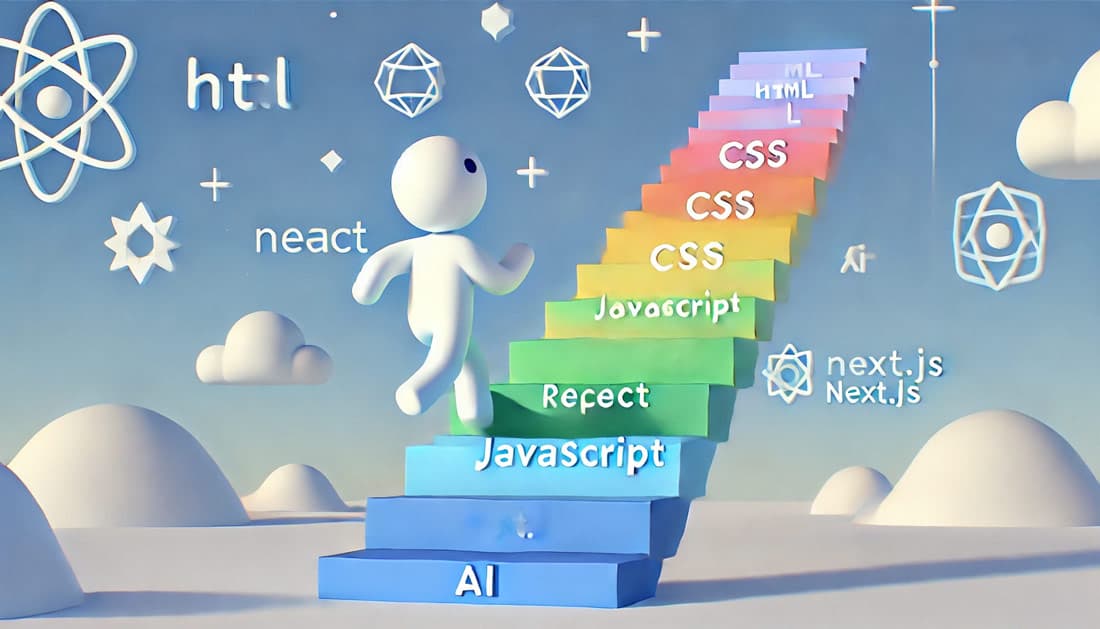
When I first dipped my toes into web development, I thought once I’d “learned HTML, CSS, and JavaScript,” I’d be set. Job done. Put my feet up and enjoy the view.
Yeah… nah.
If you’ve spent even six months in this industry, you know how fast the ground shifts. One minute everyone’s using jQuery, next minute it’s React, then it’s Next.js, then suddenly everyone’s talking about Astro, AI, edge functions, and God knows what else. Keeping up isn’t a nice-to-have—it’s survival.
And learning doesn’t stop once you land a few gigs or build a few sites. In fact, that’s when it really starts.
My “Oh Crap” Moment
A couple of years ago, I was working on a site revamp for a local tourism company. They wanted a snappy, mobile-first experience. No worries, I thought—I’d done heaps of responsive designs. But halfway through, they started asking about performance metrics, Core Web Vitals, Lighthouse scores… stuff I hadn’t paid attention to before.
I froze. I realised I’d been coasting. Sticking to the tools I knew. Avoiding the newer stuff because I didn’t want to feel like a beginner again.
It was humbling, for sure—but it was also the wake-up call I needed.
How I Made Learning a Habit
Instead of trying to gulp down an entire framework in one go, I started making learning bite-sized and regular—kind of like brushing your teeth. Just part of the daily routine.
Here’s what worked for me:
Follow the right devs on X (formerly Twitter) – There’s gold in those quick code snippets and project breakdowns.
YouTube over tutorials – Real-world walkthroughs > 10-hour course hell.
Build side projects – Even silly ones. One of my best skills came from building a “what’s the surf like today” app for my mate.
Weekly “tech check-ins” – Every Friday arvo, I set aside an hour to read, reflect or try something new. (With coffee. Always with coffee.)
And the best part? This didn’t just make me a better developer—it made me more confident when talking to clients. I could explain newer solutions, justify choices, and even say, “Hey, there’s a better way to do this now.”
You better have a look at this article for more info:
List of Top Web Technologies for Developers
At Flamincode, Learning Is in Our DNA

One thing we always say around here is: If you’re not learning, you’re falling behind. And that’s not to put pressure on anyone—it’s just the nature of web work.
That’s why we:
Share weekly dev roundups in the team chat
Encourage each other to experiment with new tools (without judgment if it flops)
Give time for R&D between projects
It’s how we stay sharp—and it’s how we keep delivering fresh, modern websites that aren’t stuck in 2018.
You Don’t Have to Know Everything—Just Be Curious
Let’s be honest, you’re never going to know it all. And that’s okay. Nobody does. But if you can stay curious, keep your ego in check, and make learning part of the rhythm, you’ll always find a way forward—even when the tech tide changes.
So next time you’re tempted to say, “Ugh, I’ll learn that later,” pause. Ask: What’s one tiny thing I can learn today that’ll help Future Me?
Part 3: Why Problem Solving Is Your Secret Weapon (Not Just Another Buzzword)
Let’s be real—web development isn’t always smooth sailing. Sure, there are days when everything clicks and the code flows like a dream. But then there are those days—the ones where a button won’t align no matter what you do, the build keeps breaking, or some mystery bug decides to appear only when the client’s watching.
That’s where problem solving kicks in. And honestly, this one soft skill has saved my bacon more times than I can count.
The Bug That Broke My Ego
A while back, we were doing a site redesign for a small Melbourne-based online bookstore. Nice client, simple brief, all going great… until it wasn’t.
There was a bug in the cart system. Every time someone added more than two items, the total price went haywire—either rounding down or spitting out “NaN.” I spent hours combing through the code. I rewrote functions, tweaked logic, even sacrificed a whole Saturday arvo. Still broken.
At one point, I honestly thought, “Maybe I’m just not cut out for this.”
But instead of throwing in the towel, I stepped away. Took a breather. Then came back with a different mindset—not “I need to fix this right now,” but “Let’s understand what’s actually going on here.”
That mental shift made all the difference.
Turned out, that the bug wasn’t in my cart logic at all—it was a sneaky data formatting issue coming from the CMS. One small “string” instead of a “number,” and boom—chaos.
Lesson learned: problem solving isn’t always about diving deeper—it’s about stepping back and seeing the bigger picture.
Problem Solving ≠ Knowing All the Answers
One of the biggest myths in the dev world is thinking the best problem solvers are the ones with all the answers. But in my experience, they’re the ones who ask the best questions:
“Has this worked before?”
“What changed recently?”
“Can I reproduce this in a smaller test?”
Sometimes I’ll even use the old rubber duck method—explaining the issue out loud (yes, to an actual rubber duck on my desk). You’d be surprised how often just talking it through reveals the fix.
Collaboration Is Part of Problem Solving Too
At Flamincode, we’ve built a culture where asking for help isn’t seen as a weakness—it’s a smart dev strategy. I’ve lost count of the number of times a teammate’s quick “have you tried this?” saved me hours of rabbit-hole Googling.
And on the flip side? Explaining a tricky concept to someone else often helps me understand it better too. That’s the beauty of solving problems in a team—you don’t just fix code, you grow brains.
Clients Appreciate Problem Solvers (Even When Stuff Breaks)
Let’s not kid ourselves—things will go wrong in projects. Timelines stretch, plugins fail, and someone forgets a password (usually the client). But clients don’t expect you to be a wizard—they expect you to stay calm, communicate clearly, and handle it.
Problem-solving isn’t just technical—it’s emotional. It’s being able to say:
“We’ve hit a snag, but here’s what we’re doing to fix it.”
That kind of confidence—grounded, honest, action-focused—is what keeps clients coming back.
Wrapping It All Up: These Skills Built More Than My Career—They Built Trust
Over the years, I’ve come to realise that communication, continuous learning, and problem solving aren’t just add-ons to being a web developer. They are the job.
They’re what make clients feel heard. What help teams thrive. What get projects over the line when the tools change, the deadline looms, and nothing’s going to plan.
At Flamincode, these skills are baked into how we work—and they’re part of why our sites don’t just look sharp, but work smart.
So if you’re reading this as someone looking to build or redesign your site, here’s my tip:
Don’t just hire someone who can code—work with a team that knows how to think, solve, adapt, and connect.
At the end of the day, code is only part of the puzzle. The real magic in web development lies in the soft stuff—the human stuff. Whether you’re working solo, collaborating with a team, or building a site for a client who’s never heard of a component in their life, it’s these three soft skills—communication, continuous learning, and problem-solving—that set you apart.
At Flamincode, we don’t just bring technical expertise to the table. We bring empathy, curiosity, and the mindset to fix, rethink, and grow—together with you. So if you’re after a website that works as hard as you do, we’d love to chat.
Frequently Asked Questions (FAQs)

1. Why are soft skills important in web development?
Because building websites isn’t just about writing code—it’s about working with people. Soft skills like communication and problem-solving help developers collaborate effectively, understand client needs, and deliver solutions that actually make sense in the real world.
2. What soft skills should I look for when hiring a web developer or agency?
Look beyond the portfolio. Choose someone who listens well, explains things clearly, adapts to change and can handle challenges without panicking. At Flamincode, we’ve built a team around exactly those traits.
3. Can soft skills be learned, or are they just natural talents?
Absolutely—they can be learned. Like any other skill, soft skills improve with practice. At Flamincode, we actively support ongoing growth, not just in coding but in communication, collaboration, and mindset.
4. What if I don’t understand the technical side—how do I work with a developer confidently?
You don’t need to speak "dev." What matters is that your developer speaks your language. That’s why we keep things jargon-free at Flamincode, focusing on real goals and clear conversations.
5. How can I get started with a new website or redesign project?
Easy—just reach out to us. Whether you have a rough idea or a full-blown vision, Flamincode can help you shape it into a site that truly reflects your brand and works for your users.

Admin
Mostafa is a Wordsmith, storyteller, and language artisan weaving narratives and painting vivid imagery across digital landscapes with a spirited pen, he embraces the art of crafting compelling content as a copywriter, and content manager.
Comments

good code's nothing without solid communication. It can make or break a project for sure.
Replies

@AussiePride Spot on!

Based in
Melbourne, Australia
Your software dev partner, smooth process, exceptional results
Contacts
contact@flamincode.com.au
© All rights reserved to Flamincode