Can AI Replace Melbourne Graphic Designers? The Honest Answer (2026)

M Chetmars
Author
Over the past year we have noticed something interesting in conversations with founders across Melbourne.
Someone opens Midjourney.
Someone else generates ten logo concepts in thirty seconds.
Then the same sentence appears in the room.
“Do we still need graphic designers?”
At first glance, the question feels reasonable. AI tools now generate logos, marketing visuals, and social media graphics almost instantly. What used to require hours of design work appears with a simple prompt.
For startups trying to move fast and control budgets, the appeal is obvious. Why hire a designer when an AI tool produces ten options before your coffee gets cold?
But once you step outside the novelty phase and look at how real businesses operate in Melbourne’s startup ecosystem, the answer becomes clearer.
AI generates images.
Design builds brands.
Those two things look similar on the surface, but they operate at completely different levels of a business.
And that difference explains why the design industry is not disappearing.
It is evolving.
Short Answer:
No. AI will not replace graphic designers in Melbourne.
What AI is replacing is low level production work, not strategic design thinking.
Designers still lead brand systems, product experience decisions, and visual consistency across a company's digital presence. AI tools speed up execution, but they do not understand market positioning, customer psychology, or business goals.
The practical difference looks like this:
Differences Between AI and Real Designers
Design Area | AI Capability | Human Designer Value |
Image generation | Extremely fast | Moderate |
Brand positioning | Weak | Strong |
Understanding Melbourne audiences | Weak | Strong |
Design systems and brand guidelines | Limited | Strong |
Campaign storytelling | Weak | Strong |
AI accelerates visual output.
Designers define visual strategy.
Most companies in Melbourne are now using both.
Why This Question Keeps Appearing in Melbourne
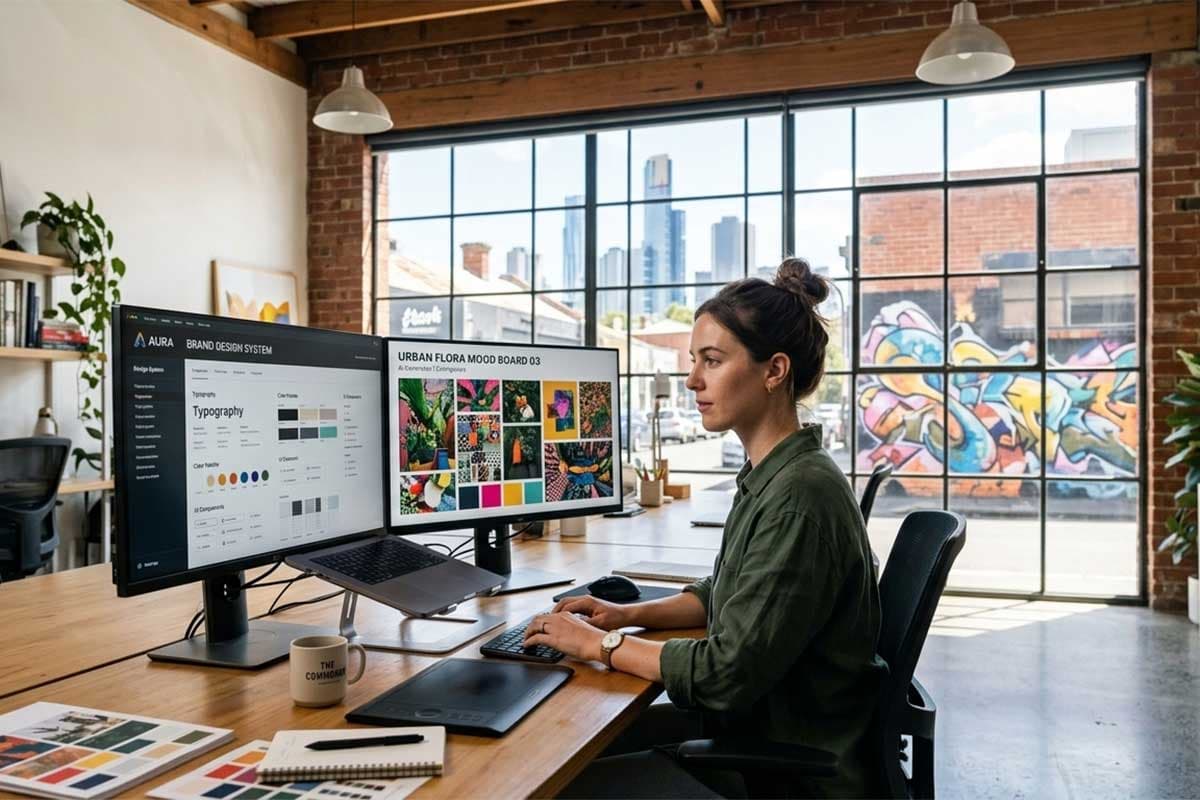
Melbourne has one of the most active startup ecosystems in Australia. SaaS companies, fintech startups, ecommerce brands, and digital service businesses launch here every year.
Most of these companies share the same pressures.
They need to move quickly.
They operate with limited early budgets.
They rely heavily on digital marketing.
In that environment, AI design tools look like a shortcut. A founder can generate a logo, a landing page image, and several social media graphics in a single afternoon.
From a distance, it looks like the entire design process has been compressed into a prompt.
But the reality becomes visible once a company starts growing.
Because growth introduces complexity.
Read More: Best Websites for Image Generation
The Moment AI Design Starts Breaking Down
We have seen the same pattern several times while working with early stage companies around Melbourne.
A startup launches using AI generated visuals. The first website looks acceptable. Social media graphics appear consistent at the beginning.
Then the company grows.
They launch new products.
They run paid advertising.
They hire marketers.
They redesign their website.
At that point the visual identity begins to fragment.
Different colours appear across platforms. Typography changes from campaign to campaign. Illustration styles shift depending on which tool generated them.
What looked efficient in the beginning slowly creates a new problem.
The brand no longer feels like a brand. It feels like a collection of unrelated visuals.
That is the moment companies realise something important.
Design is not only about creating images.
It is about creating systems.
Real Design Starts Before Any Image Exists
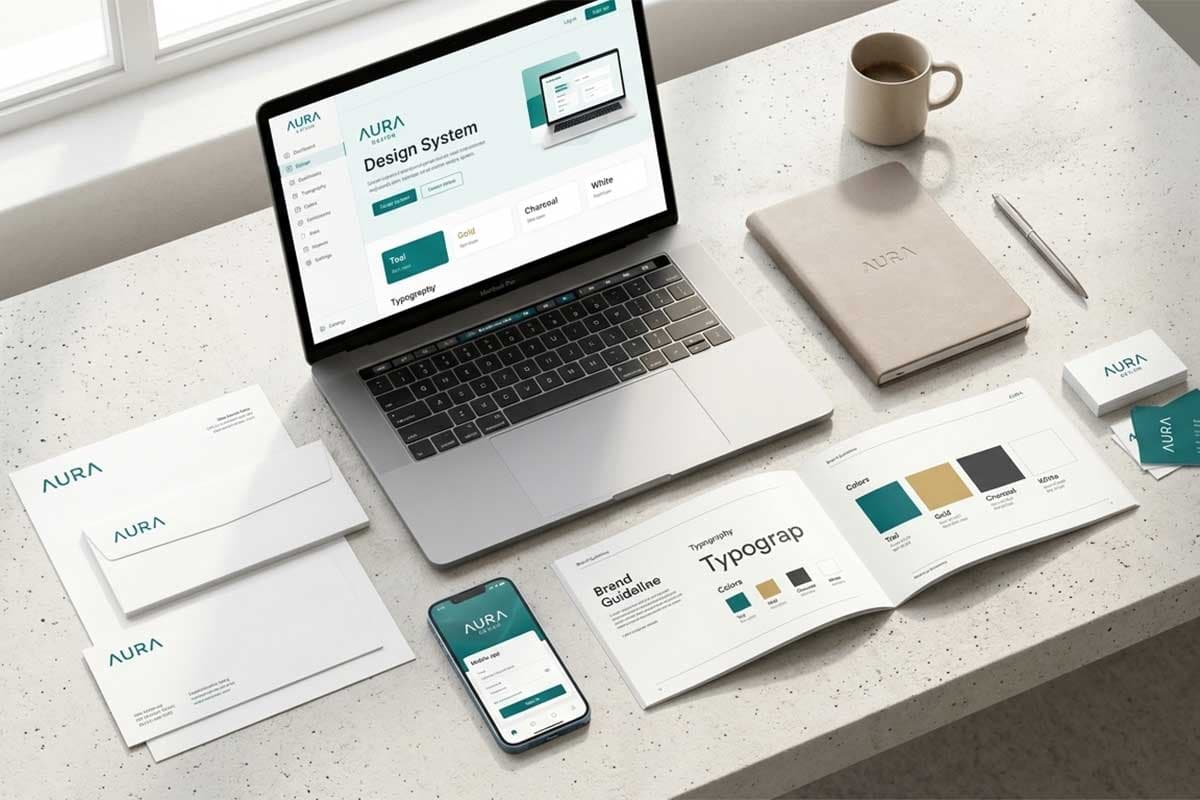
In professional branding projects the visual work usually begins after several strategic decisions have already been made.
A design process often starts with questions about positioning.
Who is the audience for this company in Melbourne or Australia.
What emotional signal should the brand send.
Which competitors occupy similar visual territory.
Those answers influence every design decision that follows. Colours communicate different meanings in fintech compared to hospitality. Typography communicates authority, speed, or playfulness depending on how it is used.
AI tools do not understand those signals.
They recognise patterns in images.
They do not understand business context.
A Melbourne fintech startup building trust with investors needs a completely different visual language compared to a local food delivery brand trying to look energetic and fun.
Those strategic decisions still require human designers.
What AI Is Actually Changing
The design industry is not immune to AI. In fact many designers in Melbourne already use AI tools in their daily workflow.
The change is not a replacement. The change is redistribution of effort.
In the past, designers spent a surprising amount of time on repetitive production work. Creating variations, testing visual directions, or generating reference imagery often consumed hours.
AI tools reduce that time dramatically.
This shifts the value of designers toward something more important.
Thinking.
Designers now spend less time producing individual assets and more time designing systems that support entire digital products.
That shift is especially visible in startups building modern SaaS platforms or complex web products.
Visual design is no longer isolated artwork. It becomes part of product architecture.
Why Designers Still Matter for Growing Companies
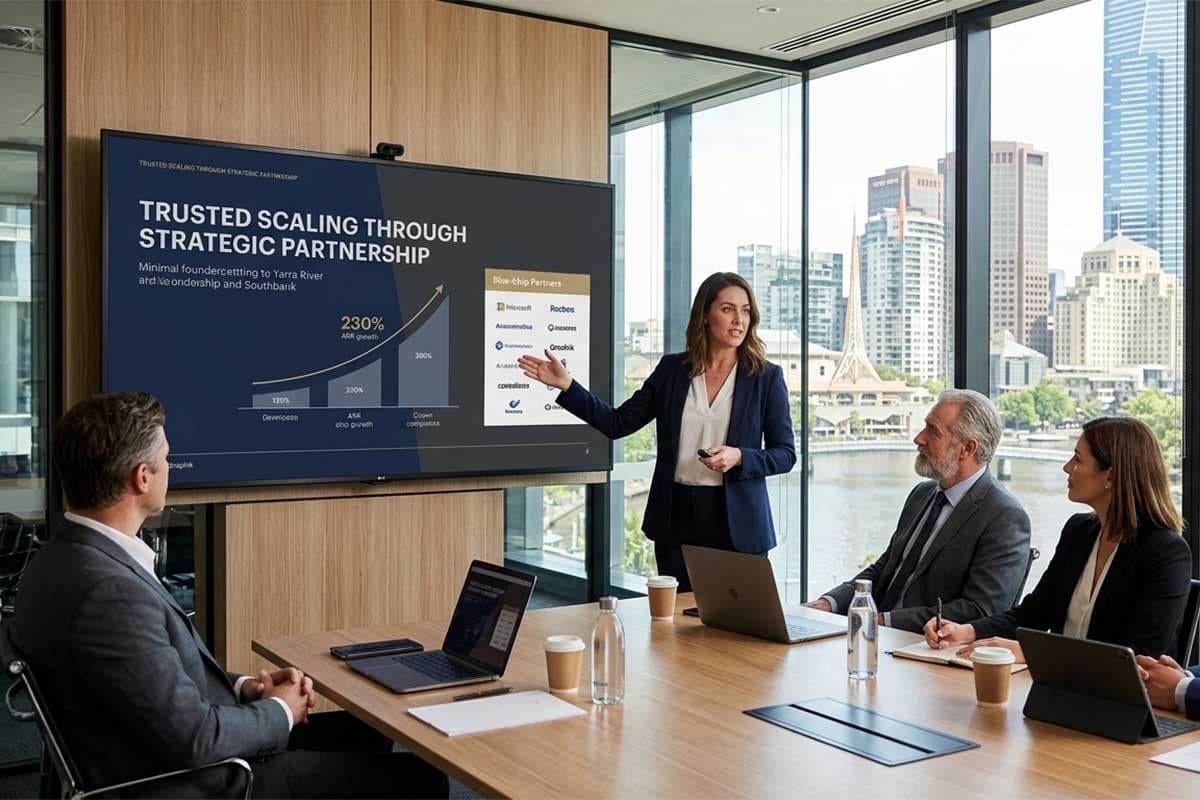
As companies scale, visual consistency becomes more valuable.
A brand appears across dozens of touchpoints:
Websites.
Product interfaces.
Advertising campaigns.
Investor presentations.
Mobile apps.
Social media.
Without a structured design system, every new asset slowly weakens brand recognition.
Human designers solve this problem by building frameworks that keep visual communication consistent across channels.
That is something AI tools still struggle to replicate.
AI generates outputs.
Designers design ecosystems.
Read More: Best Websites for AI Video Generation
The Hot Take Most People Miss
There is a narrative circulating online that AI will eliminate graphic designers. The logic usually sounds simple. If a machine produces images instantly, human designers become unnecessary.
What we are seeing in Melbourne suggests the opposite outcome.
AI reduces the value of generic design work. At the same time, it increases the value of strategic design thinking.
Before AI, many designers built careers around production tasks. Creating banners, resizing marketing assets, preparing social media visuals, or assembling quick layouts filled a large portion of the industry’s workload.
AI tools now perform many of those tasks faster.
This change removes the lowest layer of design work. But it exposes something more important. Businesses still need professionals who understand how design connects to product strategy, brand trust, and conversion psychology.
In other words, the market is not losing designers. It is filtering them.
The designers who survive the shift are the ones who think like product builders and brand strategists, not image operators.
The Melbourne Market Reality
Looking at how companies across Melbourne hire designers today reveals a pattern.
Early stage startups often experiment with AI generated visuals. It helps them move quickly during the first months. But once the company begins investing in growth, the design conversation changes.
Marketing campaigns require consistency.
Product interfaces require usability.
Investor presentations require credibility.
These are areas where random image generation quickly reaches its limits.
Melbourne’s startup ecosystem is full of SaaS companies, fintech platforms, and digital products that rely on user trust. When a company operates in these sectors, design becomes a structural part of the business.
A payment platform cannot look visually inconsistent.
A health tech application cannot appear visually confusing.
A SaaS product cannot feel unreliable.
In those environments, design influences perception in ways that AI generated assets cannot manage alone.
The companies that grow successfully usually invest in design systems rather than isolated graphics.
AI Design Tools Versus Strategic Design Work
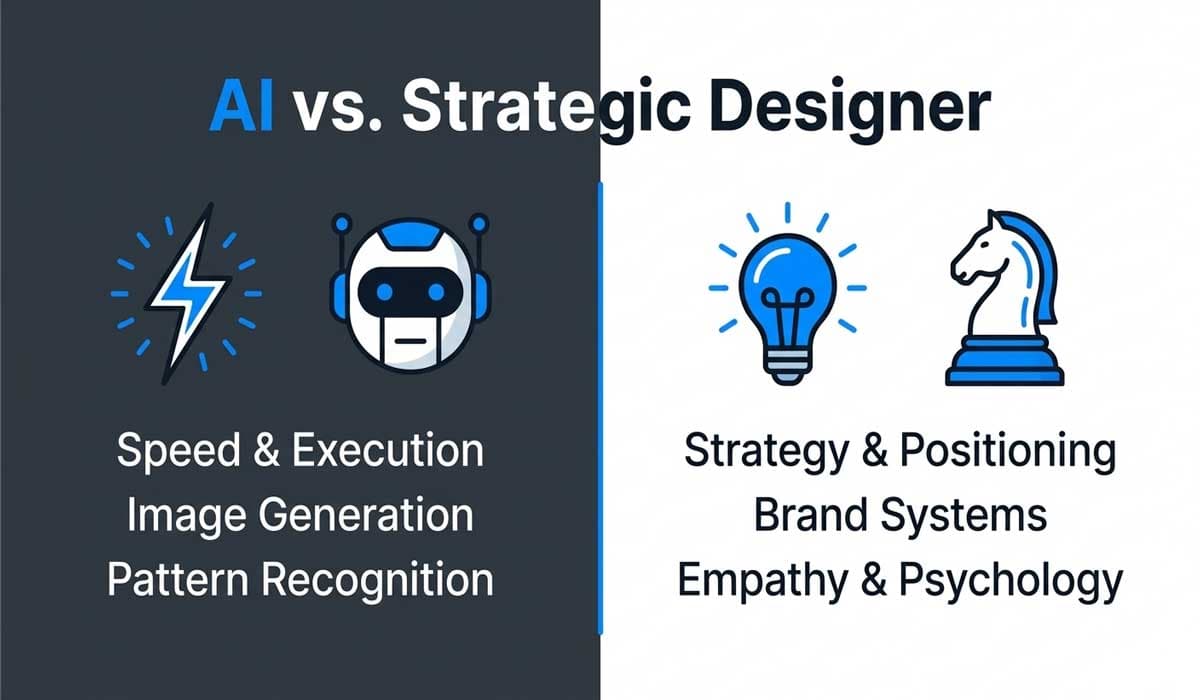
The difference between AI output and professional design becomes clearer when you look at the tasks each side performs.
Category | AI Tools | Strategic Designers |
Visual generation | Produce images instantly | Evaluate which visuals support the brand |
Style exploration | Generate many variations | Select direction aligned with positioning |
Layout suggestions | Recognise visual patterns | Design structured user journeys |
Branding | Mimic existing styles | Build original brand identity |
Product experience | Limited understanding | Design for usability and behaviour |
AI tools excel at speed. They generate options quickly and help designers explore directions.
Strategic design, on the other hand, involves decision making. Every colour choice, spacing system, and typography rule contributes to how a company communicates.
When those decisions remain consistent across a product ecosystem, the brand becomes recognisable.
AI tools assist with exploration. They do not replace the thinking required to build those systems.
Read More: Best Books About AI Prompts Engineering
The Rise of Design Systems
One of the most visible changes in modern digital companies is the shift toward design systems.
Instead of designing individual screens or marketing materials in isolation, companies build structured frameworks that define how their product and brand appear everywhere.
A design system includes elements such as:
Typography scales used across the product.
Colour hierarchies for different states and actions.
Spacing rules that keep layouts consistent.
Component libraries for buttons, cards, and navigation patterns.
These systems ensure that new features, marketing assets, and interfaces remain visually coherent as a product grows.
AI tools struggle with this level of structure because design systems require long term decision making and careful maintenance.
A company’s visual identity becomes a living system that evolves alongside the product.
Human designers still lead that process.
The Future of Graphic Design in Australia
In Australia, the design industry is already shifting toward product focused roles.
Companies increasingly hire professionals who combine multiple disciplines.
A modern designer often works across:
Brand identity
User interface design
User experience strategy
Product interaction design
This broader skill set reflects the reality of digital businesses. Websites, mobile apps, dashboards, and marketing campaigns all interact with the same brand ecosystem.
AI tools accelerate visual experimentation. But they do not replace the ability to design a product experience that users understand and trust.
In fact, the presence of AI tools often increases the need for strong design leadership.
Without someone guiding visual direction, teams quickly generate inconsistent outputs from different tools.
The result becomes chaotic rather than efficient.
Why Strategic Designers Become More Valuable
One interesting side effect of AI is the widening gap between average designers and exceptional ones.
When AI automates production tasks, the market stops rewarding speed alone.
What remains valuable is judgment.
Strategic designers understand how visual decisions influence behaviour. They know how layout hierarchy affects reading patterns. They recognise how colour contrast influences accessibility. They understand why consistent typography improves brand memory.
These skills connect design to measurable outcomes such as engagement, trust, and conversion.
AI tools provide assistance. They do not provide judgment.
That distinction will define the future of the profession.
Final Thoughts
AI is not the end of graphic design. It is the end of a specific type of design work.
The era where designers spent most of their time producing isolated visuals is fading. In its place, a new role is emerging.
Designers increasingly function as architects of digital experiences. They shape how brands communicate, how products feel, and how users navigate complex systems.
AI helps generate visual elements. Designers define how those elements fit together.
For businesses building digital products, websites, or scalable platforms, that distinction matters.
At Flamincode we see this shift clearly when working with startups and growing companies around Melbourne. The projects that succeed rarely depend on random visuals. They depend on structured design systems that support the product as it evolves.
If a company plans to build a serious digital presence, design becomes part of the product architecture itself. AI tools assist the process. Strategic design still leads it.
Check our services like web design and web development if you need any help for your business.
Frequently Asked Questions
Will AI eliminate graphic design jobs in Melbourne?
AI will reduce demand for repetitive production work. Demand for designers who understand branding, product design, and digital experience remains strong.
Are startups in Melbourne using AI for design?
Many early stage startups experiment with AI tools to generate quick visuals. As the company grows, most shift toward structured design systems managed by professional designers.
Can AI create a full brand identity?
AI can generate logos and visual concepts. Building a consistent brand identity requires strategic decisions about positioning, messaging, and visual systems.
Should small businesses rely on AI design tools?
AI tools work well for quick experiments or early stage visuals. Businesses planning long term growth benefit from professional design systems.
Will designers need new skills in the AI era?
Yes. The industry is moving toward product thinking, UX strategy, and brand architecture rather than isolated graphic production.

Admin
Mostafa is a Wordsmith, storyteller, and language artisan weaving narratives and painting vivid imagery across digital landscapes with a spirited pen, he embraces the art of crafting compelling content as a copywriter, and content manager.
Based in
Melbourne, Australia
Your software dev partner, smooth process, exceptional results
Contacts
contact@flamincode.com.au
© All rights reserved to Flamincode