From Fear to Flow: My AI Journey as a Content Writer

M Chetmars
Author
My Early Days as a Content Writer
The empire I had forged wasn't made of stone and steel; it was crafted from words (it's a line based on an old poem from a Persian poet, Ferdowsi.) For years, I had been a wordsmith and a content creator capable of stepping into any website to completely transform its voice. My portfolio was as diverse as it was extensive—it included sports, technology, breaking news, buying guides, and marketing strategies. If I could have written it, I probably would have.
Not only did my writing skills set me apart, but my ability to revitalise a website also contributed significantly. I could walk into a platform with bland, low-quality content and, within months, turn it into a vibrant, high-ranking hub of information. On multiple occasions, I took brand-new websites—those with shaky beginnings and zero traffic—and pushed them onto the first page of Google. I saw it as the outcome of unwavering commitment to strategy and quality, even though clients referred to it as magic.
Building a Global Client Base

The recognition felt incredible because it not only built my social following but also led to moments when people would unexpectedly recognise me and say, “Hey! You’re the one who wrote that piece!” Not only did readers like the articles I wrote, but Google also loved them. I became accustomed to achieving high rankings in competitive niches, particularly in marketing. I was collaborating with teams across the globe—from Canada to Australia, Ukraine to the UAE, and India to China.
The Turning Point: AI Arrives in the Writing World
That confidence naturally led me to pursue a career in teaching. I launched workshops to show aspiring writers how to create content that Google rewards. In my first year, I offered the course for free, and over 300 people joined. The second year, I charged a small fee and still had around 200 eager participants.
Then came the third year, and fewer than 30 people enrolled.
The reason? I had written something brutally honest in my course description:
“I’m thrilled that you want to join my course, but you should know this job is dead. Something called AI has arrived, and as a result, the world no longer needs writers. This course will only teach you how to write with AI.”
Looking back, I realise that the statement marked a crucial moment in my life. At that time, it felt like the end of everything I had built. My proud empire of words crumbled in an instant, and I felt the heavy weight of that loss. My mind replayed every moment when someone had told me to “find a real job,” and for the first time in my life, I wasn’t excited about a technological leap forward.
My First Encounters With ChatGPT—Denial and Doubt

The early days of AI adoption were a mix of disbelief and resistance. When I first tested ChatGPT, I desperately wanted it to fail. I scrutinised its responses, searching for mistakes that would provide a sense of human superiority. But the mistakes were minor—too minor to matter.
It was unsettling. I had built my life around the writing, and now here was this machine, able to produce content in seconds that would take me hours. I lived in denial for weeks, torn between a growing sense of obsolescence and professional pride.
And then, something shifted.
I started using ChatGPT more—not as a competitor, but as a collaborator. I discovered that while AI could generate solid drafts, it lacked the depth, nuance, and emotional intelligence that came from lived experience. I started to see its potential not as a danger, but as a strong friend. AI could do the boring parts of writing, like research, outlining, and checking facts, while I worked on the parts that mattered most: telling stories, being myself, and making connections.
I learned a deeper truth: the writers who will do well in this new age are not the ones who fight AI, but the ones who learn to use it.
Learning to Work With AI, Not Against It
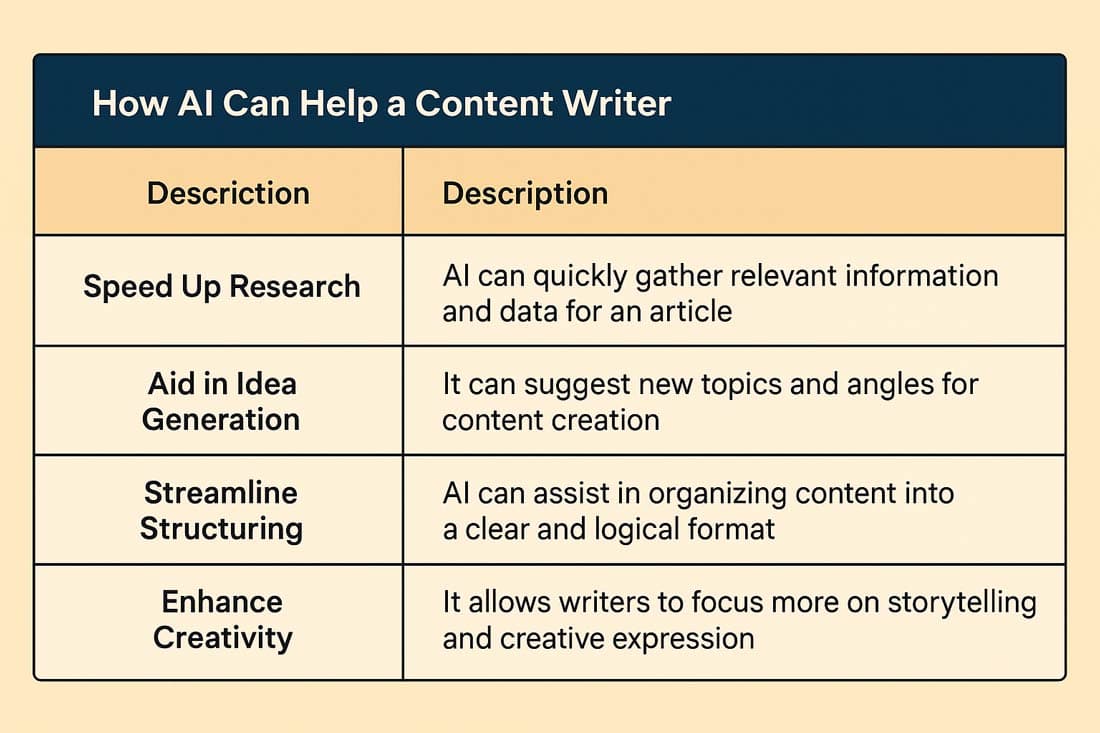
The more I learned about AI tools, the more I realised that they weren't meant to "replace" me; they were meant to improve what I was already doing. I started trying out different ways of working, like coming up with topic ideas, making outlines, looking for new ways to say things, and even coming up with titles that might be more interesting to my target audience.
The real change happened when I stopped seeing AI as a one-time tool and started using it in all of my creative work. Rather than dedicating hours to keyword mapping or research, I could establish a strong foundation within a matter of minutes. With that extra time, I could write better stories, get the tone just right, and add those little human touches that computers can't copy.
Does Google Hate AI?
However, one significant concern loomed over the industry: What is Google's stance on AI?
There was a lot of talk about the idea that "Google hates AI." People talked about it casually, it was brought up a lot in forums, and even clients told me they would rather not use AI-generated content because of it. However, I understood Google's true perspective after spending years maintaining a positive relationship with them.
Google doesn’t care how content is produced; it only cares if it’s good.
Their official guidelines are surprisingly straightforward:
Criterion | Short Description |
Helpful | Provides genuine value to the reader |
Original | Adds something new, not just recycled information |
Authoritative | Demonstrates expertise and trustworthiness |
Human-Centric | Written for people, not just search engines |
That’s it. No checkbox asks if “Did a human write this?” or “Was this generated by AI?” What they penalise is low-quality, unhelpful, or misleading content—regardless of who (or what) wrote it.
If you employ AI to produce indolent, meaningless articles, you're setting yourself up for failure. But when you use it to elevate already strong content—make it more thorough, better organised, and easier to read—you’re working with Google’s priorities, not against them.
I started applying this principle to client projects, and the results spoke for themselves. Websites with previously stagnant rankings began to climb. Pages that were once on the third or fourth page of results began to appear in the top ten. My strategic approach to content, along with how well AI works, changed the game.
This shift in perspective created an unexpected opportunity in UX.
From Content to UX
I began with something called UX writing. Initially, I believed that UX writing was merely another form of copywriting. It was just short bits of text on buttons, menus, or notifications. But as I explored it, I realized it was a way to tie my passion for writing directly to the design process.
Have a look at the Best Free AI Tools for Web Design and Most Used AI Tools in Australia for more information about AI and web design.
User experience writing isn't about selling; it's about leading. It's about making the user's journey so easy and natural that they don't have to contemplate what to do next.
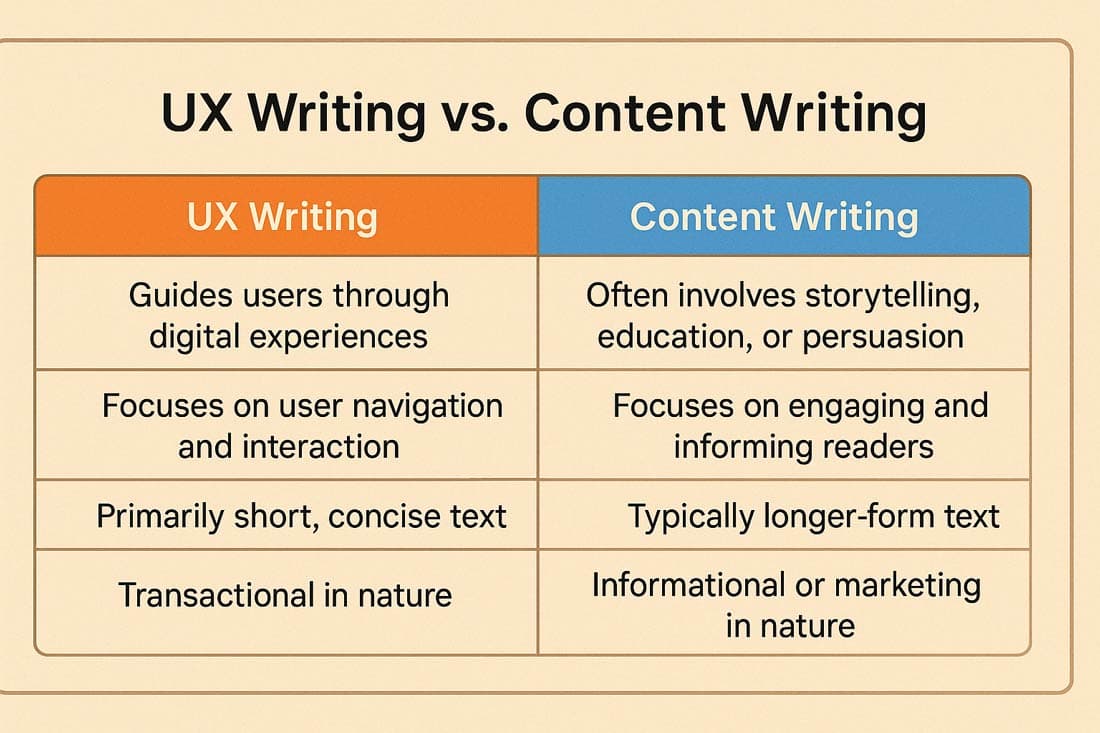
My experience making content helped me here. I knew how to guess what readers would want, arrange information in a way that made sense, and write in a way that was both helpful and human. In UX writing, those skills became the basis for making digital experiences that people really like.
I had the guts to go beyond words. I started accepting smaller UX design projects alongside my content and UX writing work. These weren’t massive overhauls—they were focused improvements. It was fun to understand that I can do more than hit the keyboard. Now, I could imagine pages and create them. Now I can redesign anything that appears on my screen.
Role of Flamincode in My Career
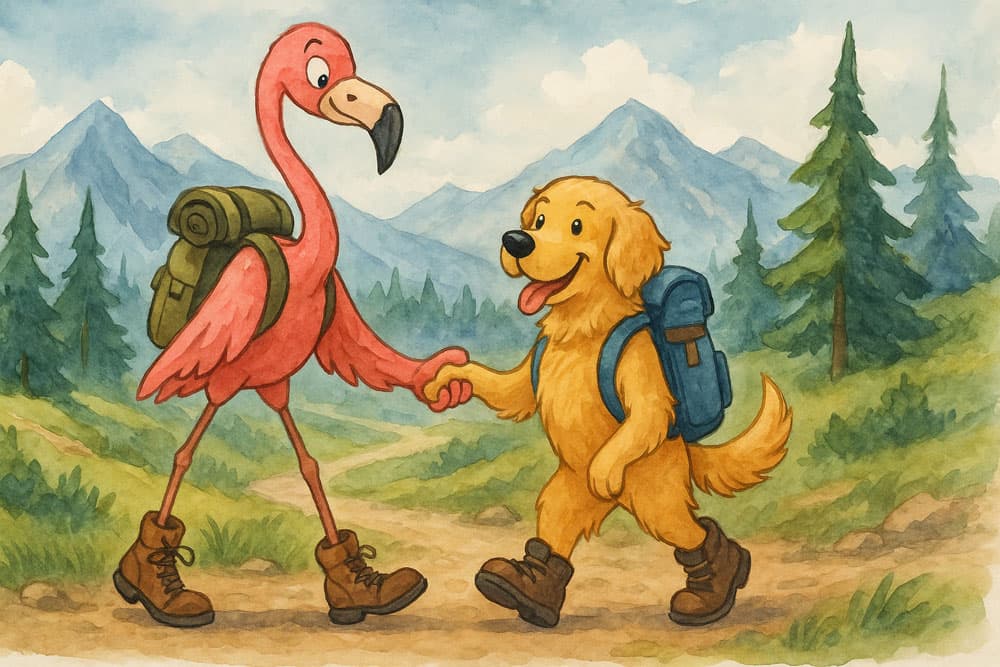
Whenever I encountered a challenge, I relied on the expertise of my colleagues at Flamincode. They had the design experience; I had the passion. Together, we made experiences better—and faster.
In an unexpected turn of events, AI also played a crucial role here. With the help of AI, drafting variations of microcopy, testing tone options, and brainstorming error messages for UX writing became faster, allowing me more time to refine the details that truly matter.
On the other hand, designing with the new AI tools was easier than ever. I was learning fast, although it was full of challenges. Once, I was a teacher of 300 people, and now I am a student of one: the one and only AI.
The more I embraced this new chapter, the less I feared the old one ending.
AI Helped Me Improve My Career (And Character)
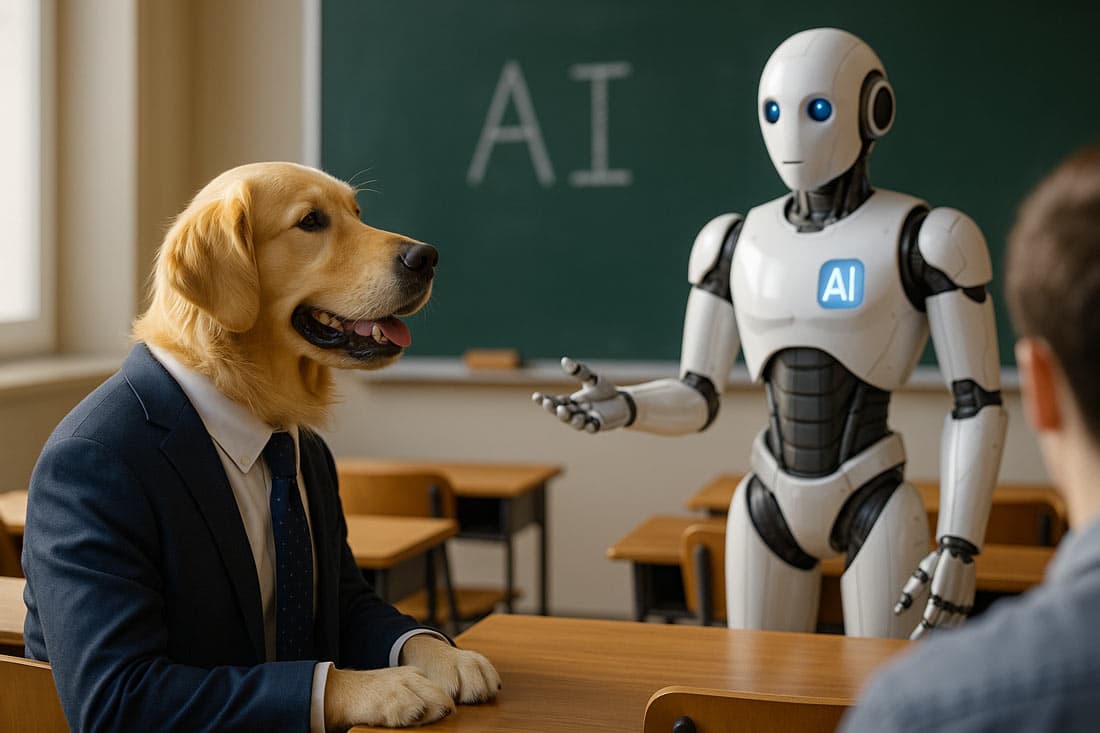
The shift didn’t happen overnight. It was gradual—a series of small moments where the fear I had slowly gave way to curiosity, then acceptance, and finally, excitement.
I realised something important: every major shift in technology brings a wave of panic. I used to love it all, but this one scared me because it was directly pushing me.
People fear losing what they know before they can see the opportunities ahead. I’d been through smaller industry changes before—algorithm updates, SEO rule overhauls, the rise of mobile-first design—but this was the first time I truly questioned whether my profession had a future.
Now, I realise that I asked the wrong question. A better question to ask is, what can my profession become?
Becoming a More Complete Professional
By reframing the problem, I found my answer. I didn’t need to abandon content writing; I needed to expand my skill set. I started to see AI as a partner instead of a rival. I used it in my research, my outlining, and even when I was coming up with ideas. I used it to speed up repetitive tasks so I could focus on the parts of writing that are uniquely human—empathy, creativity, and storytelling.
The same mindset carried over to the UX journey. In UX, every element counts. In UX writing, you don’t have the luxury of a thousand words to make your point—sometimes you only have three —or even fewer! And those (fewer than) three words could make the difference between a user feeling safe enough to click "Sign Up" or giving up on the process completely.
That's where my experience helped me. Years of content work taught me how to talk to people, predict their thoughts, and answer their questions before they ask. In UX Writing, I was using that ability not to rank on Google, but to improve someone’s experience in real time.
Similarly, in UX design, altering the colour of a button can significantly impact the outcome. Writing and editing millions of words has taught me the importance of details.
Balancing Content Work and UX Assignments
What surprised me the most was how good it felt to bring the two worlds together. Traffic, rankings, and shares are all ways to tell if your content writing is good. In UX writing, the metrics are different: more happy users, fewer support tickets, and more people who finish what they started. It's less obvious but just as satisfying.
Alongside client projects in the Middle East, I continued taking small, focused UX jobs. I didn't take on enormous redesigns right away; instead, I started with projects that would teach me something while still giving me value. Every project was an opportunity to learn and grow by combining my writing skills with design thinking.
AI was always there in the background, working silently with us. I’d feed it prompts to see alternative wordings or have it propose five different button labels for a new feature. At times, I would not utilise any of the suggestions, yet they would inspire ideas that I might not have conceived independently. That’s the real magic: not allowing AI to do the work for you, but enabling it to enhance your skills in the work you already love.
The fear that had once made me stop moving had now turned into a feeling of forward motion. I wasn't merely accepting change; I was actively figuring out how to adapt to it.
Final Thoughts: Getting Ready for the Future of Writing
I've learned that change doesn't have to make you forget who you are; it can make you better. AI didn't make me stop loving writing; it made me want to get better at it. The skills I learned over the years didn't disappear; instead, they evolved and found new applications in areas such as UX writing.
Today, I'm more than just a content writer. As a creator, I think about how users will interact with things and how words, colours, and shapes can work together to create experiences. I work on content projects for clients all over the world, and I also work on smaller UX design projects that are more focused. People who have worked at Flamincode longer than I have are helping me become better at design and learn to think of products as journeys instead of just features.
I used to be scared, but now I really like all the options that are open to me. It's not over yet; it's just the start of a new chapter. If you accept it, you can be faster, more creative, and more strategic than ever.
I can now do more than just write. I can also plan the user experience, design it, and improve it. But I still love writing just as much as I always have. That passion will always be there for me, no matter how much the tools and technologies change. By learning and adapting, I'm not only keeping my job safe from the next big change, but I'm also becoming a better professional who can handle anything that comes my way.
If you're interested in these topics and the role of AI in other fields, you can read about the best AI for app development here.
Frequently Asked Questions
1. Does Google penalise AI-generated content?
No. Google focuses on content quality, not its origin. Poor content gets penalised, whether written by humans or AI.
2. How can AI help a content writer?
AI can speed up research, idea generation, and structuring, allowing writers to focus on creativity and storytelling.
3. Is UX writing different from content writing?
Yes. UX writing focuses on guiding users through digital experiences, while content writing is often about storytelling, education, or persuasion.
4. Can AI replace a skilled writer?
AI can assist but can’t fully replace human creativity, empathy, and a unique perspective.
5. How can writers prepare for the future?
Learn to integrate AI into your workflow, expand your skill set (like UX writing), and stay adaptable.

Admin
Mostafa is a Wordsmith, storyteller, and language artisan weaving narratives and painting vivid imagery across digital landscapes with a spirited pen, he embraces the art of crafting compelling content as a copywriter, and content manager.
Comments

Interesting journey
Based in
Melbourne, Australia
Your software dev partner, smooth process, exceptional results
Contacts
contact@flamincode.com.au
© All rights reserved to Flamincode