How War Affected My Freelance SEO Business: A Personal Story of Crisis and Resilience

M Chetmars
Author
It was well after midnight when I sat down in front of my broken laptop. I had to copy and paste the letters "m" and "s" from other parts of my draft because those keys had long since stopped working. I knew that this one blog post could mean the difference between keeping the lights on and going deeper into debt because my family's finances were already stretched to the limit.
I took a deep breath and looked at the blank page. I typed in a trance from midnight to 5 AM, writing a 3,000-word article about how much YouTube ads really cost. I included screenshots of anecdotal budgets, estimates from in-platform analytics, and comparisons between regions. Every paragraph was carefully structured: an engaging hook, clear subheadings, and plenty of data points. Each time I needed an "m" or "s," I’d open the Find dialog, copy it from earlier text, then paste it where it belonged.
Exhausted but exhilarated, I hit "Save" just as dawn approached. The world outside my window was still, yet inside me, hope and nerves waged a battle. This wasn’t just another freelance gig—it was my chance to prove that a lonely, sleep-deprived writer could compete with the platforms themselves.
Top-3 Google Rankings—A Moment of Pure Disbelief
The following morning, I poured coffee and clicked "Search." My heart raced as I typed the exact phrase: YouTube ads cost. And there it was—my article smack in the top three results, sitting above YouTube’s own official guide.
I refreshed again. And again. Surely this was a glitch. But the result held firm. My freelance post, born of midnight determination and two broken keys, outperformed the corporate giant’s resources.
A wave of disbelief washed over me. I leaned back, eyes wide. Months of angst across keyword research, competitor analysis, professional web development, and backlink outreach had paid off. Yet, in that triumph, a quiet question formed: if I could engineer such an outcome in perfect conditions, what would happen when perfect conditions shattered?
When Conflict Shatters My SEO Career—and My Confidence

In February 2022, the world learned of the Russian invasion of Ukraine. I was horrified by the news updates, but I didn't expect how they would affect my own freelance career. My Ukrainian client, whose blog I had helped move up in Google's rankings, put all of their projects on hold. Their team left the offices, scrambled the servers, and put safety ahead of SEO strategy.
My email stopped coming in. Months of working together and making plans were all for nothing. Without that main client, my business fell apart. All of a sudden, the safety I had worked so hard to build was gone.
I thought about quitting SEO completely. I thought about working at a local store, stocking shelves, or running a register—anything to make sure I had a steady income. Even as I contemplated the practicality of a Wi-Fi-free life, a stubborn spark of optimism stayed my hand.
For the next 25 days, I treated job hunting like an SEO campaign. Every morning, I scoured LinkedIn and niche job boards, listing 40–50 roles that matched my skill set—content strategist, SEO consultant, digital marketer. I crafted tailored cover letters highlighting "YouTube ads cost" success, my midnight drafting saga, and technical acumen. I hit Submit. Then I repeated it all again the next day.
On day 25, a message appeared: an SEO role with a UAE-based firm, fully remote. They’d seen results like mine before and wanted that expertise on their marketing team. Relief flooded in. Accepting that offer felt like stepping back into the light after months in the dark.
To Read More: How to increase a website engagement rate for SEO
Beyond the Bottom Line: War's Psychological Toll on Tech Professionals

While the immediate financial hit from war is devastating, the psychological impact on tech professionals often flies under the radar. In an industry already known for high pressure, long hours, and the constant need for creative thinking, the sheer shock of conflict can throw everything out of whack.
Imagine a software developer in Kyiv, a UI/UX designer in Aleppo, or a data analyst in Sana'a, trying to focus on code or a design while air raid sirens blare. The constant anxiety of losing life, home, or loved ones severely cuts into one's ability to concentrate. Post-Traumatic Stress Disorder (PTSD) can have long-term effects on both professional and personal lives, even after the fighting stops. Common symptoms include not being able to sleep, having panic attacks, not being able to make decisions, and a sudden drop in productivity.
These effects mean that tech teams and companies will have a big drop in employee morale, more people missing work, and eventually, a brain drain. When the very foundations of security are falling apart, managers have to figure out how to keep everyone working together and motivated.
Many individuals might experience survivor's guilt, particularly if friends or colleagues have been harmed. This heavy psychological burden has repeatedly led to crucial projects being stalled, talented teams breaking apart, and innovative dreams being pushed aside. In these conditions, "work" isn't just an economic activity; it's often a desperate attempt to cling to some semblance of normality and purpose amidst the chaos.
More Stories from the Frontline of Disruption: Companies and Individuals Affected
War extends its reach far beyond the actual battlegrounds, striking at the heart of the digital economy and its skilled workforce. Here are a few more examples of the tangible impacts on companies and individuals:
Ukraine:
MacPaw: This well-known software company (developer of CleanMyMac) in Kyiv had to drastically scale back operations and establish emergency plans for employee safety during the initial invasion. While many staff relocated to safer regions or volunteered for national defence, development and support faced unprecedented challenges.
Freelancing Platforms: Many Ukrainian freelancers, who provided a significant chunk of global digital services—from programming to graphic design and translation—suddenly faced internet outages, power cuts, and the urgent need to relocate. This not only cut off their income but also impacted their standing on international platforms.
Syria:
Startup Grind Damascus Chapter: This used to be a busy place for tech events and startups, but the war put an end to most of them. A lot of startup founders had to leave the country, and their new ideas, like those in FinTech and educational apps, never got to see the light of day.
Coding Workshops: Organisations that taught Syrian youth how to code and use computers had to stop working many times because of safety issues, unreliable internet, and teachers leaving the country. Sadly, this has meant that a whole generation of young tech talent has been lost.
Yemen:
Local Telecom Companies: Many internet service providers and telecom companies in Yemen have been hurt badly by power outages and damage to their infrastructure. This has not only made it hard to talk to each other every day, but it has also ruined businesses that depend on the internet. Companies working on local app development or online services simply can't function without connectivity.
Gaming Community: Yemen boasted a growing community of gamers and game developers. The conflict severed their ties to the global gaming community and put local game development projects on hold. Many of these talented individuals either switched professions or left the country.
These examples show that war doesn't just affect big tech companies; it also affects the smallest parts of the digital ecosystem, like freelancers and new startups, which weakens the global digital value chain.
Practical Pathways: Helping Tech Workers in War Zones
The tech community around the world has a moral and practical duty to help talented people who are stuck in war zones. This help isn't just for people in need; it's also to protect the global knowledge ecosystem.
Direct Support Programmes for Freelancers:
"Safe" Platforms for Freelancers: Make it possible for freelancers in war zones to find work without always worrying about getting their projects cut short or losing their ratings. These platforms could work with clients from other countries to give them more freedom with payments and deadlines.
Emergency Funds: Set up funds, backed by big tech companies or NGOs, to give freelancers and developers who are affected money right away.
Support for Online Payments: Because some areas have banking restrictions, platforms could offer other ways to pay, like cryptocurrencies or secure local payment systems.
Facilitated Migration and Relocation Programs:
Humanitarian Tech Visas: Governments could create special visa types for tech workers from war-torn areas so that they can quickly move to countries where they can keep working.
Corporate "Hosting" Programmes: Tech companies could create programmes to host professionals from war-torn areas for a set amount of time (for example, 6 to 12 months), providing them with both a job and a place to live.
Resilient and Sustainable Tech Infrastructure:
Satellite Internet Projects: Put more money into projects like Starlink or similar ones to make sure that people in crisis-affected areas can still get online, even if the ground infrastructure is destroyed.
Mobile and Resilient Data Centres: Build and use small, portable data centres that can store and process data in case of an emergency.
Networking and Mentorship Online:
Virtual Mentoring Programmes: Senior tech professionals from all over the world could volunteer to mentor young people in conflict zones online, helping them learn new skills and find job opportunities.
Virtual Knowledge Hubs: Set up online spaces for sharing knowledge, holding virtual workshops and conferences, and letting professionals stay in touch with the global tech community.
High-Risk "Impact Investing":
Investment Funds for Crisis-Affected Startups: Establish funds specifically for investing in nascent tech startups and projects in conflict zones, understanding the high risks but also the immense potential for impact.
Beyond Borders: The Role of Governments and International Organisations
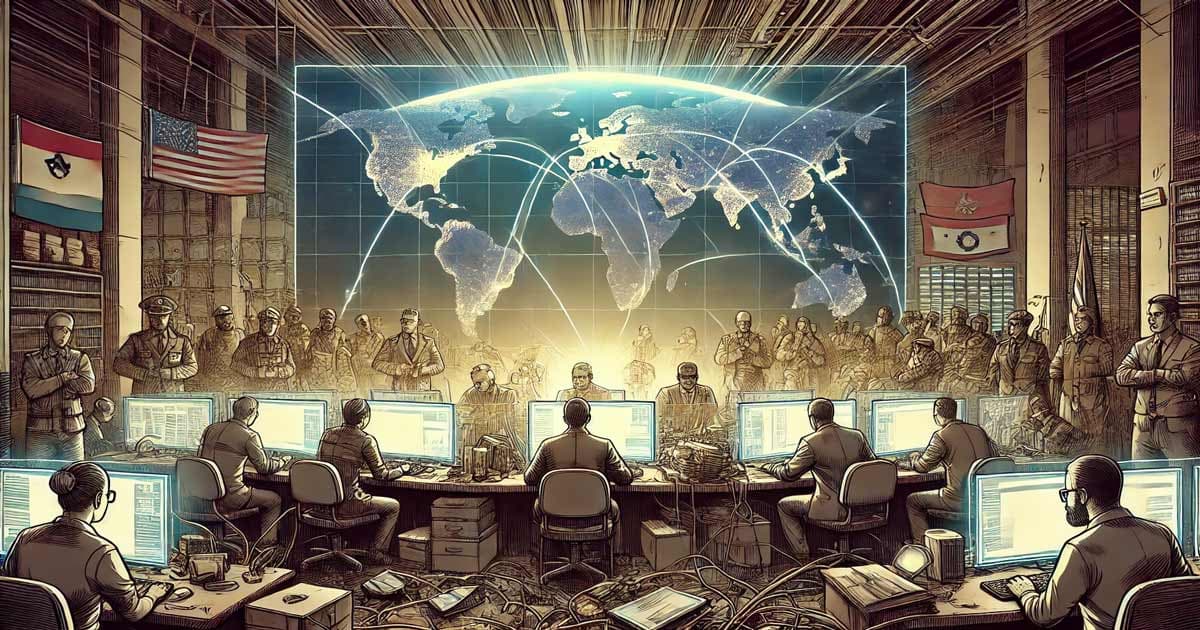
Governments and international organisations have a critical role to play in safeguarding the tech sector in conflict zones, extending beyond traditional humanitarian aid.
Protection of Digital Infrastructure:
International Laws: Advocate for and enforce laws that protect critical digital infrastructure (like data centres, fibre optic cables, and telecom towers) as non-military targets during wartime.
Monitoring and Early Warning: Collaborate with international bodies to monitor cyber threats and attacks on digital infrastructure in conflict-affected regions and provide early warnings.
Facilitating Migration and Knowledge Transfer:
Tech Professional Asylum/Resettlement: Establish specific pathways for tech professionals from conflict zones to relocate to safer countries, streamlining visa and residency processes.
Talent Attraction Programs: Work with the private sector to create programs that incentivise companies to hire these professionals, removing bureaucratic hurdles.
Credential Recognition: Simplify the recognition of academic and professional qualifications for tech professionals who may have lost access to their records due to conflict.
Supporting Education and Skill Development:
Giving money to NGOs and schools that teach digital skills and tech in areas of conflict.
Partnerships with Big Tech: Set up systems for big tech companies to give people in these areas free or discounted online courses, certifications, and access to their platforms.
Making rules to help online businesses grow:
Tax breaks and fewer rules: Put in place short-term rules and tax breaks to help tech companies in areas that have been hit by a crisis stay in business.
Access to Capital: Set up government-backed or international funds to give startups and tech companies affected by conflict low-interest loans or grants.
The Role of Tech Diplomacy:
Discouraging Cyberattacks: Utilise diplomacy to urge warring parties not to target digital infrastructure and communication networks.
Mediation for Connectivity: Work towards "digital corridors" or agreements that make sure people can still connect to the internet and talk to each other, even in war zones.
To Read More: How Web Development Impacts SEO for Local Melbourne Businesses
Being Strong When Things Go Wrong
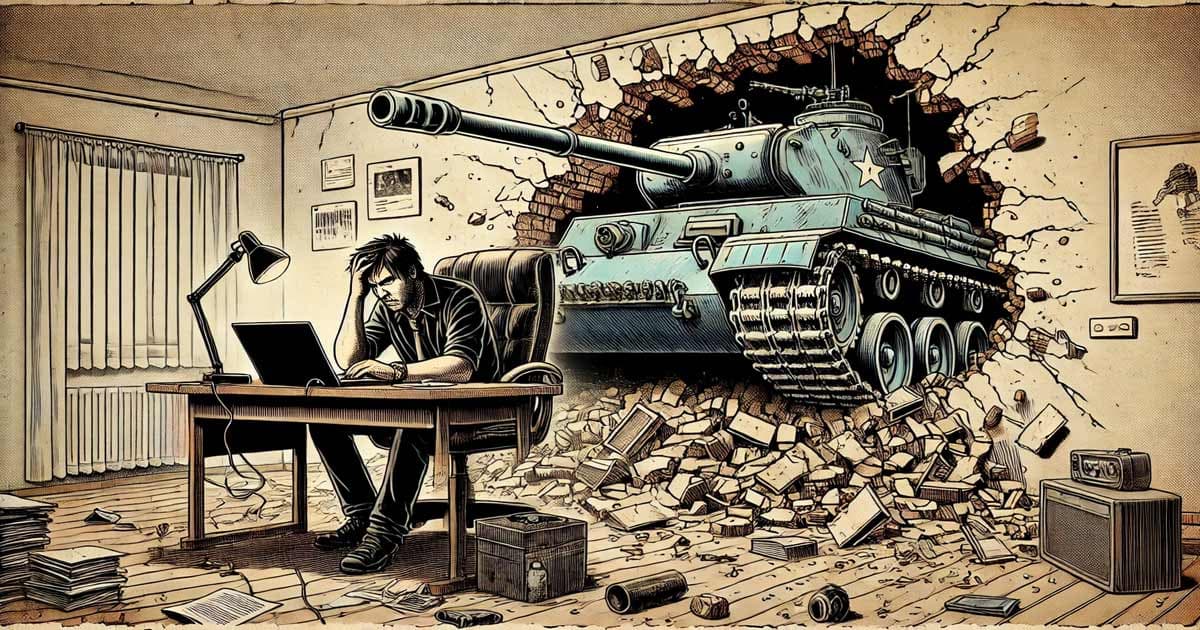
But there is a seed of adaptation in destruction. My own move to a remote job in the UAE was an example of one way to move forward. Here are three rules that helped me and can help any professional going through a tough time:
Adapt Quickly
Change how you think about your skills: from freelancer to in-house expert
Welcome new markets and time zones.
Build a Supportive Network
Help your displaced peers for free
Use LinkedIn and professional forums to get referrals.
Plan for Contingency
Keep an emergency fund that covers 3 to 6 months' worth of bills.
Get money from different sources, like teaching, consulting, or writing.
You can turn crises into chances to grow by seeing resilience as an active strategy.
Case Studies: New Ideas Thriving in the Middle of a Crisis
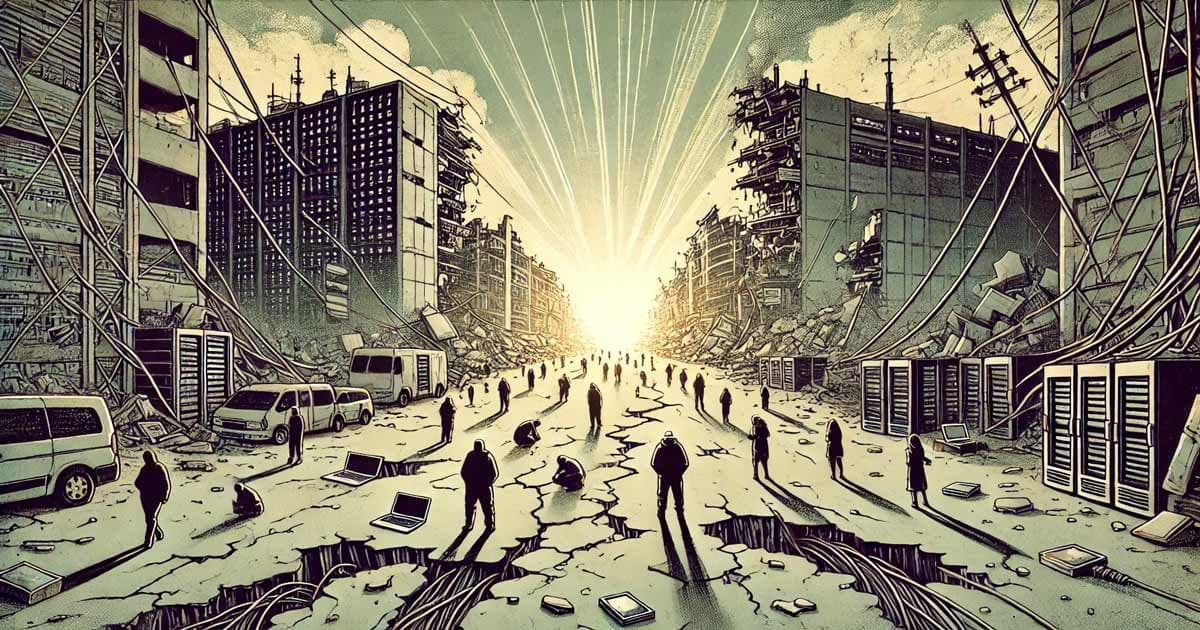
Even in the middle of a disaster, new ideas and creativity can grow. Some companies and projects have managed to deliver effective technological solutions despite, or even because of, the crisis conditions.
Ukrainian Startups and Team Relocation:
Readdle: This productivity app developer (known for Documents and Spark) in Ukraine swiftly relocated many of its employees to safer regions in Western Ukraine or even European countries when faced with the war. They quickly improved their remote work system and kept working on new products even though there was a conflict. This showed that it is possible to survive even in the worst circumstances if you are flexible and focus on your people.
Headway: A Ukrainian micro-learning startup that not only stayed in business during the war but also raised money and grew. They placed a strong emphasis on employee mental well-being, providing psychological support and flexibility in working hours to keep their team intact.
Technology for Humanitarian Aid:
MapAction (Crisis Mapping Project): This NGO uses GIS and mapping specialists to provide crucial spatial information to aid organisations in crisis zones (including conflicts). By using satellite data and field reports, they assist in planning relief operations, locating shelters, and assessing damage. This is a prime example of applying technology right in the thick of a crisis.
Vostok-SOS (Ukraine): This organisation leverages communication technologies and online platforms to coordinate civilian evacuations, raise funds, and provide vital information to people in war-affected areas. This initiative demonstrates how digital tools can bridge gaps in aid delivery.
3D Printing Projects in Areas Under Siege: Innovation Under Constraint. In some areas where there is a lot of fighting and it is hard to get spare parts or medical equipment, local hacker groups and engineers have used 3D printers to make important parts, basic medical devices, or even temporary prosthetics. This is an example of innovation by necessity, which shows how a crisis can lead to new ideas.
Making applications that don't need the internet: Local developers made apps that could work without an internet connection or share information over Bluetooth and local networks in places where the internet was hard to get to. These apps included offline maps, first-aid guides, or even educational tools.
These stories not only highlight humanity's capacity for resistance and adaptation but also underscore how technology, even in the worst circumstances, can serve as a powerful tool for survival, connection, and even progress.
Looking Forward: Protecting Talent and Technology
What can the global tech community do to minimise war’s destructive impact?
Remote Collaboration Platforms: Invest in tools that let teams work seamlessly across borders, ensuring continuity if one region is compromised.
Emergency Grants and Fellowships: Support organisations like Techfugees and UNHCR in offering training stipends and relocation aid to displaced technologists.
Open-Source Preservation: Archive codebases, documentation, and project roadmaps in public repositories, safeguarding knowledge against physical disruption.
By institutionalising these measures, we fortify the bridge between adversity and innovation.
Final Thoughts: Crisis as Catalyst
War may close down offices and cut off internet connections, but it also leads to some of the most important advances in human history. Satellite communications, encrypted messaging, and many other cybersecurity protocols were created out of need during wartime. When we acknowledge both the devastation and the unexpected breakthroughs born of crisis, we honour innovators who persevere—and inspire the next generation to keep building, no matter the obstacles.
FAQs: War, Tech, and Resilience
How can freelancers prepare for geopolitical risks?
Diversify clients across multiple regions, build an emergency fund, and stay adaptable in skillset and hours.
Are there support programmes for displaced tech workers?
Yes—groups like Techfugees, UNHCR’s digital initiatives, and local NGOs provide grants, networking, and training.
What role does remote work play in crisis resilience?
It lets teams keep working on projects from safer places, keeping their knowledge and momentum even when things go wrong in the area.
Can technology mitigate conflict’s impact on innovation?
Partially—cloud services, decentralised platforms, and open-source archiving help projects survive and restart quickly.
How do we honour lost innovations?
By documenting halted projects, supporting displaced talent, and investing in open-source initiatives that carry ideas forward.

Admin
Mostafa is a Wordsmith, storyteller, and language artisan weaving narratives and painting vivid imagery across digital landscapes with a spirited pen, he embraces the art of crafting compelling content as a copywriter, and content manager.
Comments

Wow, it’s wild how a late-night rush led to such an unexpected win! Crazy how life throws curveballs, too.

Based in
Melbourne, Australia
Your software dev partner, smooth process, exceptional results
Contacts
contact@flamincode.com.au
© All rights reserved to Flamincode