Things to Consider Before You Choose a Name for Your Business

M Chetmars
Author
Picking a name for your business is a bit like naming a kid— it's got to be a ripper, stick with you forever, and make a cracking first impression. Your business name isn't just a label; it's the front door to your brand. Whether you're opening a busy café in Fitzroy, a cutting-edge tech startup in Sydney, or a professional law firm in Canberra, your business name is important.
With more than 2.5 million businesses in Australia competing for attention, a unique name can really help people remember you. Canva and Atlassian are two examples of Australian companies that have been very successful. Their names immediately suggest innovation and a global impact.
But a name that isn't right can be a real letdown. It can cause confusion, trouble with marketing, and even legal problems later on. Because most people judge brands by their first impressions, your name needs to grab their attention quickly and accurately show who you are.
This article is your complete guide to choosing the perfect business name. It covers the most important things to know, common mistakes to avoid, and useful steps to take to get it right. We'll help you choose a name that's as Australian as a meat pie and ready to shine in 2025, taking into account important SEO factors and legal checks.
Why Your Business Name Matters

The name of your business is more than just a word; it's the heart of your brand's vibe, your story, and what makes you stand out from the competition. A strong, memorable name is very important for building trust and making sure people remember you in busy markets like Melbourne or Perth's growing startup scene.
Data shows over and over that people are more likely to interact with and buy from brands that are easy to remember. Canva's name is simple, catchy, and easy to remember, and it's worth billions of dollars. It makes complicated designs seem easy for everyone. Your name is a powerful factor in your digital success, in addition to being memorable. A name that is good for SEO can make it much easier for people to find you online by making your search engine results more visible.
Read More: Business Intelligence Melbourne
On the other hand, a name that is too general, hard to spell, or too similar to those of your competitors can hurt your online presence a lot. In addition, your name has a lot of legal weight. If you don't do the right trademark checks, you could have to spend a lot of money on rebranding and go to court, which could cost your business thousands of dollars. So, a great name is one that perfectly fits your target audience, stands out in a crowded market, and sets you up for long-term growth, whether you live in a big city or out in the country.
Key Factors to Consider When Naming Your Business
Picking a business name isn't easy; it has to be a great one that people will remember and help you succeed. The right name can really improve how people feel about and recognise your brand. What makes a name a winner, though? Here are the most important things you need to do to make your business stand out in Australia's crowded market.
Meaningful and True to the Brand's Identity

Your name should do more than just sound nice; it should also tell people who you are. Ask yourself: Does it show what you believe in or what you want to do? Does it give a hint about what you have to offer? Does it make people feel the way you want them to about your brand?
For example, the name "Verdra," which comes from the Spanish word for "green," hints at an eco-friendly philosophy for a skincare line. On the other hand, a name like "Skin Essence" is too general and gets lost. Think of your name as the seed of your brand story; if it doesn't grow into something deeper, it might not be the one.
Unique & Avoids Imitation
Your business name needs to stand out like a kangaroo in a paddock. Unique names help people remember you right away, avoid confusion, and keep things simple later on. Names like "Aussie Tech" or "City Café" that are too common or generic blend in with the background.
Look into your competitors before you fall in love with a name. Do businesses in your niche have names that sound similar? Could it accidentally clash with a brand that already exists? Always check the ASIC business name register to make sure your chosen name isn't already taken. Duplicates can lead to expensive legal problems.
Easy to Pronounce & Spell
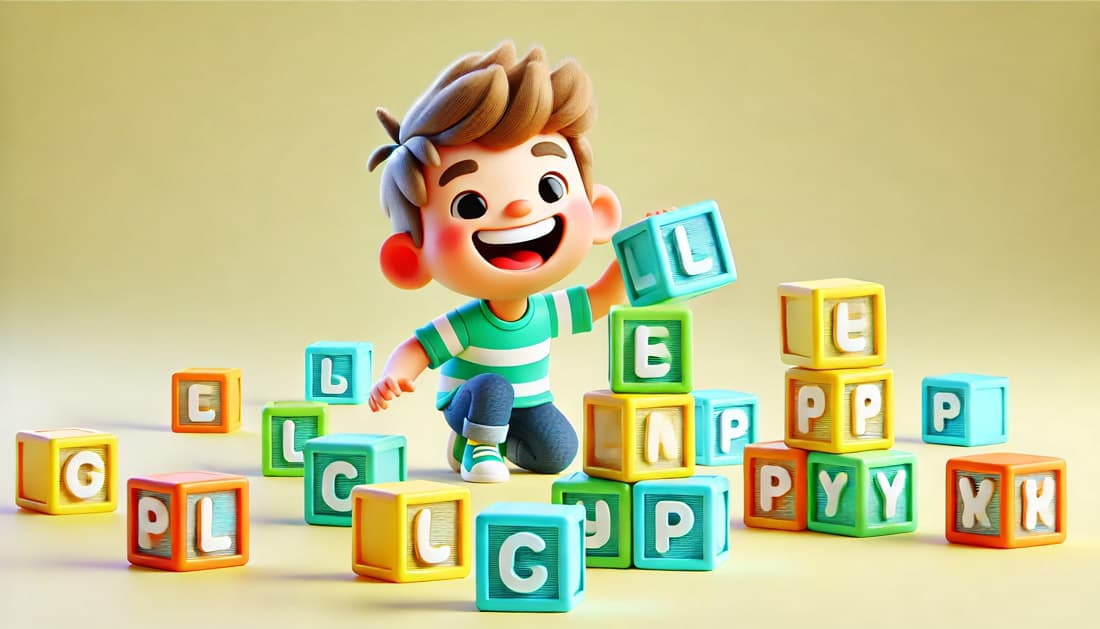
A name that is hard to say or spell is not a good name. Simple names are easy to say, remember, and find, which brings in more visitors to your website. Don't use strange or purposely misspelt words (like "KwiikKutz" instead of "QuickCuts"), because a lot of Australians skip brands they can't easily spell or say.
Ask friends or coworkers to say your name. If they hesitate or can't remember it later, think about changing it. Rhythm, uniqueness, or strong imagery can make things easier to remember.
SEO & Digital Presence Readiness
Your name has to work well with Google by 2025. A name that is good for SEO and has clear, relevant keywords (like "Melbourne Bakes" for a bakery) can show up much higher in search results. It's very important to check domain availability early on. For a strong digital footprint, it's important to get a .com or .com.au domain that matches your business name and to have consistent social media handles (like Instagram, LinkedIn, X, and TikTok). When domains are unavailable, you may have to pay a lot of money to find a way around them or have an online identity that isn't complete.
Read More: How Software Consultancy Can Cut Your Costs in Half
Legal & Cultural Fit
Don't make mistakes that could get you in trouble with the law or with other people. To avoid fines or a costly rebrand, you must check with IP Australia to see if your chosen name is already protected.
Also, make sure your name is culturally safe and doesn't have any bad meanings for Indigenous or migrant communities, especially if you want to do business around the world. A name that fits Australia's diverse vibe shows respect for everyone and stops problems before they happen.
Key Factors for Your Business Name Checklist
To help you keep track of these essential considerations, here’s a quick checklist:
Factor | Why It Matters |
Meaningful | Reflects your brand’s purpose and resonates with the audience. |
Unique | Stands out, avoids confusion, and prevents legal issues. |
Easy to Say/Spell | Boosts memorability, recall, and online searchability. |
SEO Ready | Improves visibility in search engines, drives traffic. |
Domain Available | Ensures consistent online presence (website, social media). |
Legally Clear | Prevents costly trademark infringements and rebrands. |
Culturally Fit | Avoids offence and resonates with diverse audiences. |
How to Pick the Right Name for Your Business

Getting the right name for your business is like making a great flat white: it takes a few steps to get it just right. A clear process will help you get a name that is catchy, one-of-a-kind, and ready to shine, whether you're starting a tech business in Melbourne or a bakery in Adelaide. Here's how to choose a business name that is real and will help your brand do well.
Brainstorm with Purpose
Start by writing down ideas that fit with your brand. Think about who you are trying to reach, what your core values are, and what makes you unique. Get new ideas by talking to friends, family, or potential customers you can trust. Try to come up with a lot of ideas that mix descriptive words with more abstract or creative ones. For local SEO benefits, think about adding keywords that are relevant to your area or field. Don't be afraid to think outside the box at first; being creative will help you.
Test for Fit and Feel
Once you have a short list, test each name very carefully. Say them out loud. Do they roll off your tongue easily? If you ask other people to say and spell them, do they hesitate or get it wrong? Ask people to remember the name later to see if it sticks in their minds. Also, make sure the name sounds good and is appropriate for the culture of your target market. This step is very important for finding any possible problems with spelling, pronunciation, or unintended meanings before you make a decision.
Check Legal and Market Availability

This is how you keep your future safe. Check ASIC's Business Name Search to make sure that the name isn't already taken in Australia. More importantly, do a full trademark search through IP Australia to make sure you don't infringe on someone else's rights, which could result in big fines or having to change your brand name later on. Don't forget to search for your name on Google to see if competitors show up a lot, which could make your brand look less important. Once you've made sure that your preferred .com.au domain and social media handles are available, it's very important that you secure them right away.
Get Feedback and Refine
Before you make a final decision, get honest feedback from potential customers, mentors, or people in your target audience. You could do a quick survey or informal poll to find out which name resonates best or if any names are confusing. Pay close attention to their responses and be ready to change your options based on what they say. This outside validation is very helpful and can help you choose the best name that really connects with your market. Once you have a strong candidate, sleep on it for a few days to make sure it still feels right for your business in the long run.
Case Studies: Aussie Businesses That Nailed It

Some Australian companies have chosen names that are so great that they are now famous all over the world. These brands show how a great name can make a business very successful.
Canva: Canva is worth billions of dollars because it is short, snappy, and screams creativity. Its simplicity boosted SEO, driving more searches, and its versatility suits its global design platform. It's a prime example of a modern, highly scalable brand name.
Boost Juice: This vibrant name perfectly reflects its fresh, fun vibe. The keyword "Juice" amps up local SEO, while its punchy sound boosts recall, making it an instantly recognisable Aussie icon. It gets across the idea of health and energy well.
Afterpay: The name "Afterpay" tells you exactly what it does: buy now, pay later. This crystal-clear functionality increased engagement and solidified its position, demonstrating a masterclass in functional, descriptive naming that instantly conveys value.
Read More: App Development Ideas for Business
Conclusion: Ready to Choose Your Winning Name?
Picking a good name for your ripper business is the first and most important step towards building a great brand in Australia's busy 2025 market. We've talked about why names are important, what makes a good name (it should be meaningful, unique, easy to use, and legally sound), and how to get it right. Aussie businesses like Canva, Boost Juice, and Afterpay demonstrate how a clear, catchy name wins hearts and clicks, boosting recall and driving digital success. Your name has to shine, so follow these tips, and you'll have a name that's fair dinkum and future-proof!
Frequently Asked Questions (FAQs)

What makes a business name so important?
Unique names help people remember your brand right away, keep you from getting confused with competitors, and lower the chance of expensive legal problems or trademark disputes in the future. They really help you make your own space.
How do I make my business name SEO-friendly?
Consider including relevant keywords that describe your industry or service (e.g., "Melbourne Bakery," "Sydney Solar"). More importantly, ensure you can secure a matching, easy-to-remember domain name (like .com.au) and consistent social media handles.
What should I do if someone else has already taken or trademarked my name?
Always do thorough checks with ASIC's Business Name Search and IP Australia's trademark database. You will have to change your name a little or pick a completely different one if the name you want is already taken. This is to avoid breaking the law and having to pay for rebranding.
How important is it to get other people's opinions on my business name?
It's very important. You can check how easy it is to say and remember, and if it has any bad or unintended meanings, by saying it out loud to friends, family, and potential customers. What sounds good to you might not sound good to the people you're trying to reach.
Should I pick a business name that is creative or descriptive?
There are good things about both. A name that describes what you do, like "Melbourne Coffee Roasters," can help with SEO and make it clear what you do right away. A name that is creative or abstract, like "Zing Beans," may be easier to remember and brand, but it may take more work to explain what it means. A lot of successful brands find a happy medium between the two.

Admin
Mostafa is a Wordsmith, storyteller, and language artisan weaving narratives and painting vivid imagery across digital landscapes with a spirited pen, he embraces the art of crafting compelling content as a copywriter, and content manager.
Comments

Naming a biz sounds tough! So many factors to juggle. hope people take this advice seriously.

Based in
Melbourne, Australia
Your software dev partner, smooth process, exceptional results
Contacts
contact@flamincode.com.au
© All rights reserved to Flamincode