Website Design for Veterinarians

M Chetmars
Author
When you run a veterinary clinic, your website isn’t just another online listing — it’s the first hello you give to anxious pet owners. In most cases, it’s the very first place they turn when something’s wrong with their pet. That first impression can make the difference between a booked appointment and a missed opportunity.
In the world of animal health, a well-designed website does more than look professional. It shows that you care, that you’re organised, and that you know what you’re doing. It gives people peace of mind from the very first click. In today’s digital age, your online presence isn’t optional anymore — it’s how potential clients decide whether they trust you enough to make an appointment or keep scrolling for someone else.
Most pet owners aren’t just looking for medical care. They’re looking for empathy. They want a clinic that feels warm, approachable, and professional — a place that treats their pets with the same love they do. Your website should reflect that same balance of care and competence. It should feel calm, trustworthy, and easy to use.

When a site feels personal, loads fast, and makes booking simple, it changes everything. The difference came down to one thing: thoughtful, human-centred design.
Key Elements of a Great Veterinary Website
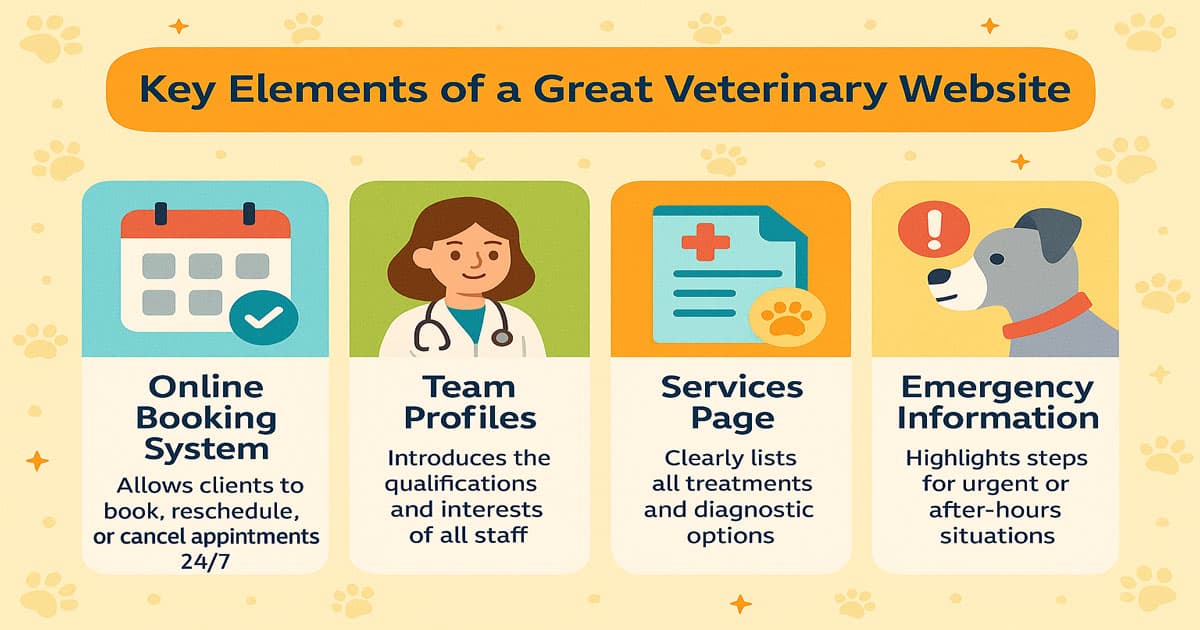
A successful vet website isn’t built around fancy animations or trends. It’s built around what your clients actually need. Here are the features every veterinary clinic website should have — and why they matter.
Feature | Purpose | Why It Matters |
Online Booking System | Lets clients book or change appointments anytime, without calling. | Keeps your reception staff free and captures appointments even outside clinic hours. |
Team Profiles | Introduces your vets, nurses, and support staff. | Builds trust by showing the real people behind the clinic. |
Services Page | Lists what you offer clearly — from dental care to desexing. | Improves SEO and helps visitors find the exact service they need. |
Emergency Info | Explains what to do when a pet’s in distress. | Shows responsibility and care beyond regular business hours. |
Before & After Gallery | Displays recovery stories and successful treatments. | Creates emotional connection and social proof. |
Pet Care Blog | Shares helpful articles for Australian pet owners. | Keeps your site fresh and builds authority over time. |
When these elements come together, they form the backbone of a website that doesn’t just look good — it works for your clients and your team.
Why Website Design Matters for Veterinarians
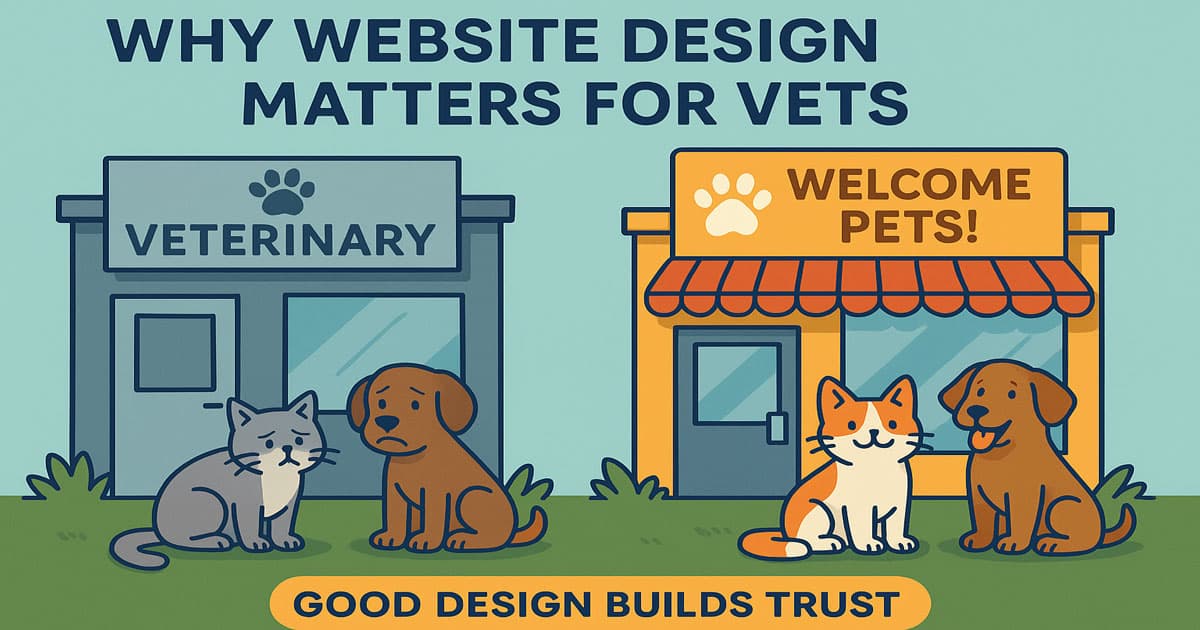
Veterinary websites are a little different from most business sites. The people visiting you aren’t casual shoppers — they’re worried pet owners. Some may be searching for emergency care late at night; others are looking for advice about a lump, a limp, or a strange new behaviour. That means every second counts.
Your design needs to do two things: calm visitors down and guide them quickly to what they need. A clean layout, gentle colours, and simple navigation can do wonders.
A slow or cluttered website, on the other hand, sends the wrong message right away. Even if your clinic is top-notch, a messy site can make it look careless. A modern, organised website tells people, “You can trust us. We’ve got this.”
Think of it this way — your website is your digital waiting room. If someone walks into a real waiting room that’s messy or confusing, they’ll feel uneasy. The same goes online. If your website looks clean, friendly, and easy to navigate, people stay longer, read more, and are far more likely to get in touch.
We’ve seen this pattern over and over again with Australian clinics. Pet owners start by searching online. They check reviews, read about nearby clinics, and look for cues that show warmth and professionalism. If your site doesn’t give them that feeling, chances are they’ll move on to another practice that does.
Read More: Average Cost of Website Maintenance per Month in Australia
Understanding What Pet Owners Expect Online
Good design starts with empathy. To create a great veterinary website, you need to understand your audience — busy, emotional pet owners who visit with a specific goal in mind.
They might be:
Checking if you offer a certain service (like dental cleaning or vaccinations)
Looking for urgent help
Searching for a local clinic they can trust long-term
These visitors don’t have time to hunt for details. If they can’t find your phone number or booking button within seconds, they’ll leave.
And since more than half of them are searching on their phones — typing “vet near me” while holding their pet — your website must load fast, look great, and work perfectly on mobile.
Here’s what pet owners expect when they land on your site:
Speed and simplicity. No one wants to wait for a page to load while their dog’s in distress. Keep it fast and to the point.
Visible trust signals. Show your credentials, certifications, and photos of your actual staff. These details make people feel safe.
Real photos, not stock ones. A smiling team member holding a puppy from your own clinic does more for trust than any stock image ever will.
Easy contact. Buttons like “Call Now,” “Book Appointment,” or “Find Us” should always be visible. Don’t make users scroll to reach them.
Data security. People want to know their contact details are safe. Always use HTTPS and make that lock icon visible.
Helpful content. Blog posts on things like tick prevention or cat nutrition show expertise and build repeat traffic.
When your website feels friendly and reliable, people notice. They stay longer, read more, and are more likely to reach out. If they feel frustrated or uncertain, they won’t just leave — they’ll remember the experience and skip your name next time.
Read More: Top 50 Creative Website Design Ideas
What Makes a Veterinary Website Design Successful?
Designing for vets is about mixing two worlds — clinical professionalism and genuine compassion. Your site needs to show that you know your science, but also that you understand emotions.
Great vet websites often share a few key traits:
Soft, calming colours. Shades of teal, green, and beige tend to make visitors feel relaxed. Avoid harsh contrasts or pure white backgrounds that look too sterile.
Readable typography. Use simple, rounded fonts that look friendly and clean on both large and small screens.
Authentic imagery. Show your real staff interacting with animals in your clinic. These moments tell your story better than any tagline could.
Simple navigation. Keep your main menu limited — Home, About, Services, Team, Blog, Contact. People don’t want to dig through layers to find information.
Accessibility. Make sure your design works for everyone — proper colour contrast, alt text for images, and readable font sizes.
Visible CTAs. A “Book Now” button should be pinned in the header or easily visible on every page.
Testimonials. Show honest feedback from real clients. Nothing builds credibility faster than a happy pet owner’s words.
Ultimately, all of these elements work toward one goal: turning visitors into clients who trust you.
In fact, Australian business research shows that over 60% of new veterinary clients choose their clinic based on the website’s appearance and ease of use. That’s huge — and it’s a reminder that your online impression matters just as much as your bedside manner.
A lot of clinics rely too heavily on Facebook or Instagram, thinking that’s enough. Social media helps, sure, but it’s not a substitute for a website you fully control. A proper veterinary website becomes your central hub — the place where all your reviews, social feeds, and booking tools come together.
Pet owners might visit your Instagram for cute photos, but when it’s time to book care, they’ll go straight to your website.
Key Features Every Veterinary Website Needs
A great website doesn’t just look the part — it has to work hard behind the scenes too. For veterinary clinics, that means making life easier for both your team and your clients. Think of your website as a reliable receptionist that never takes a day off.
Here are the features that no modern veterinary website should be without.
1. Easy Online Appointment Booking
If clients have to call during opening hours to make an appointment, you’re losing opportunities. Many pet owners search for vets after work or late at night. A simple, 24/7 online booking form solves that problem.
Your booking system doesn’t need to be complicated. What matters most is convenience: mobile-friendly, quick, and secure. Ideally, it should connect with your clinic’s management software to prevent double bookings and send automatic reminders. Even a clean, single-page form with “Book Appointment” buttons across the site can make a big difference.
We’ve seen clinics increase their monthly bookings by up to 25% simply by adding this feature.
2. Clear, Search-Friendly Services Page
Your services page is one of the most important parts of your site — it’s where SEO and clarity meet.
Instead of saying “We provide all veterinary services,” break your offerings into clear sections like:
Preventive Care: Vaccinations, check-ups, parasite control
Surgical Procedures: Desexing, dental surgery, orthopaedics
Diagnostics: X-rays, ultrasound, pathology
Emergency Care: After-hours or urgent cases
Each section should have a short, friendly explanation that tells pet owners what to expect and when to call. Adding location keywords (like “Cat Vaccinations in Melbourne”) also helps your site appear in local searches.
Remember: your services page isn’t just a list — it’s proof of expertise.
Read More: Best Branding Agency Melbourne
3. Meet the Team (with a Personal Touch)
People don’t trust faceless brands — they trust people. That’s why the “Meet the Team” page often gets some of the most visits on a veterinary website.
Use real photos of your staff, not studio portraits. Add short bios that include not only qualifications but also a glimpse of personality. A sentence like “Dr. Sophie has a soft spot for senior cats and loves educating new pet owners” goes a long way toward building trust.
This section humanises your clinic. Before clients even walk in, they already feel like they know you — and that familiarity makes first visits much smoother.
4. Emergency Information That’s Easy to Find
Emergencies don’t wait for business hours. That’s why your emergency contact details should never be buried. Keep them visible in your site’s header or footer, and create a dedicated “What to Do in an Emergency” page.
List the steps clearly: who to call, what to do while waiting, and where to go if your clinic is closed. Some Australian clinics even include a Google Map link to nearby 24-hour hospitals. It’s simple, responsible, and can save lives — both animal and human stress levels.
5. Regularly Updated Pet Care Blog
Blogs aren’t just for marketing — they’re education tools that keep your community engaged. Write about real issues your clients ask about:
“How to keep your dog cool during an Australian summer”
“Flea and tick prevention tips for Melbourne pet owners”
“Understanding desexing and post-surgery care”
Fresh content gives people a reason to return, helps your clinic show up on Google, and positions you as the local expert.
Bonus: You can share these posts on social media to keep your pages active without always selling something.
6. Genuine Reviews and Testimonials
Pet owners rely heavily on social proof. Include a few kind words from happy clients right on your homepage — ideally with pet photos (with permission, of course). Then link to your full Google Reviews page for transparency.
You’d be surprised how often someone books an appointment simply because they read one heartfelt review from another owner who felt the same anxiety they do. Authenticity always wins.
7. Complete Contact and Location Details
Every visitor should instantly know how to find you. That means:
Full address and Google Maps embed
Clickable phone number (especially for mobile users)
Operating hours
Contact form or chat widget
Secure connection (HTTPS)
Adding HTTPS isn’t just for security — Google actually prioritises it in search results. And that small padlock icon next to your URL instantly tells users, “You can trust this site.”
Read More: Website Typography Style Guide: The Foundation of Digital Communication
Best Practices in Veterinary Website Design
Now that we’ve covered what your site needs, let’s talk about how to make it feel right.
Great design isn’t about trends or colour theory alone. It’s about clarity, empathy, and making every visitor feel taken care of.
Keep Navigation Simple
Your visitors shouldn’t have to think. Keep the main menu short — Home, About, Services, Blog, Contact. Avoid dropdowns stacked with extra pages. If users have to search for information, you’ve already lost them.
Use Calm, Natural Colours
Your colour palette should reflect care and professionalism. Soft greens, turquoise, or muted blues tend to feel fresh and trustworthy. Think of the calm feeling you get when you walk into a clean, welcoming clinic — that’s what your palette should evoke.
Show Real Photos
No matter how polished your design is, stock photos break authenticity. Use real images of your staff, your space, and your patients (with consent). It’s these glimpses of real life that make people trust you.
Write Clear, Friendly Calls to Action (CTAs)
Every page should guide the visitor to the next step. Instead of a bland “Contact Us,” try “Book Your Pet’s Check-up” or “Talk to Our Team.” Direct and personal CTAs work better because they sound human.
Design Mobile First
Most of your site visitors will be using their phones. Prioritise mobile performance — test your buttons, forms, and images on different devices. Compress images to speed things up. If your site loads slowly on 4G, it’s time for a tune-up.
Secure Every Page
Security isn’t optional anymore. Use SSL certificates (HTTPS) to protect client data, especially in forms. Clients notice the “Not Secure” warning instantly — and it’s one of the fastest ways to lose trust.
SEO and Local Visibility for Veterinary Clinics
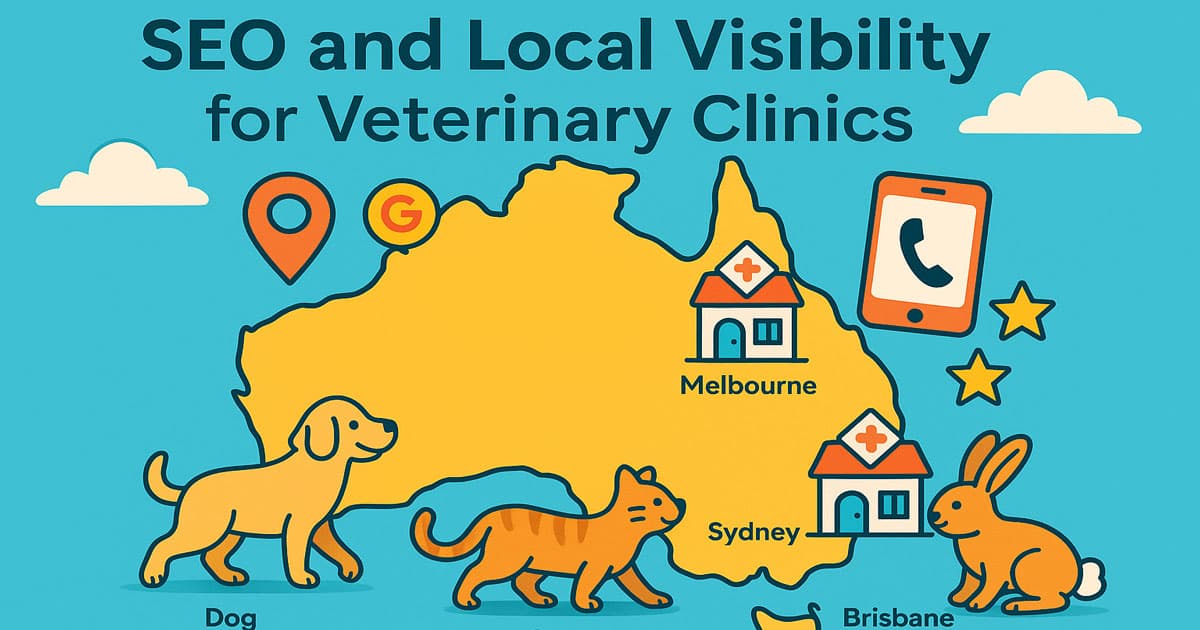
Even the best-designed site won’t bring results if no one can find it. That’s where local SEO comes in. It ensures your clinic appears when someone nearby types “vet near me” into Google.
Local SEO Checklist
Task | Description | Why It Matters |
Google Business Profile | Claim your listing, add photos, hours, and contact info. | Helps you show up in Google Maps searches. |
Consistent NAP | Keep your Name, Address, and Phone number the same everywhere online. | Boosts trust and ranking accuracy. |
Review Management | Ask happy clients to leave feedback and respond to all reviews. | Signals credibility and care. |
Local Keywords | Use phrases like “veterinary clinic in Sydney” or “pet care in Brisbane.” | Bring in clients near you. |
Fast Mobile Load Speed | Compress and cache to improve performance. | Improves ranking and user satisfaction. |
Adding structured data (schema markup) helps Google understand what your business does — showing your services, reviews, and hours right in search results.
Also, use long-tail keywords in blog posts — things like “When should I vaccinate my cat in Australia?” or “Dog tick treatment Melbourne.” These attract people searching for exactly what you offer.
Read More: 5 Myths About What a Website Can Do for You
Integrations and Tools That Simplify Management
A smart website can take a lot of weight off your team’s shoulders. Integrations help automate repetitive tasks and keep everything in sync.
Booking Integrations: Connect your booking tool with your practice management system.
Live Chat or Chatbot: Answer common questions instantly.
CRM Connection: Store client details automatically for easier follow-ups.
Email Automation: Send reminders for vaccinations or check-ups without manual effort.
At Flamincode, we build these integrations into the website from day one. That way, you don’t just get a nice design — you get a system that saves time and helps you focus on what matters most: caring for animals.
Common Mistakes to Avoid

Even good websites can miss the mark. Here are some of the biggest mistakes we often see (and fix):
Walls of text. Visitors won’t read giant blocks — keep it simple and scannable.
No clear call to action. If users can’t find where to click, they’ll give up.
Slow site speed. Unoptimised images or cheap hosting kill conversions.
Copied content. Google can tell, and it hurts your SEO instantly.
Ignoring mobile users. Test everything on real devices, not just in preview mode.
No SSL certificate. “Not secure” warnings drive people away before they even read your page.
Avoiding these pitfalls alone can make your site feel twice as professional overnight.
How Flamincode Helps Veterinarians Build Trustworthy Websites
At Flamincode, we’ve seen how the right website can completely change the way a veterinary clinic connects with its community. For us, design isn’t about decoration — it’s about trust, simplicity, and growth.
We’ve worked with clinics of all sizes — from solo vets in regional Victoria to multi-location hospitals in Melbourne — and the pattern is always the same: when the website feels genuine, clear, and fast, people respond. They call, they book, and they stay.
Here’s how we make that happen.
Step 1: Discovery and Strategy
Every project starts with listening. We take the time to understand your clinic — the services you provide, your local audience, and the way your team works. Maybe you get most of your new clients through word of mouth, or perhaps you’re competing with several nearby clinics. Those details matter.
In this stage, we map out how your website can best support your daily operations — not just marketing. That might mean reducing admin time with automated booking, highlighting your emergency services, or showing what makes your clinic different from the rest.
Step 2: Design with Empathy
Next comes design. Our approach is calm, friendly, and practical — much like the ideal clinic experience itself. We focus on easy navigation, clean layouts, and visual warmth. Every colour, image, and button has a reason behind it.
We also design for accessibility, ensuring that all pet owners — regardless of device or ability — can browse your site comfortably. If your website feels caring, people will assume your service is too.
Step 3: Development and Performance
Once the design feels right, our web development department brings it to life. We build on secure, modern frameworks that prioritise speed, mobile usability, and SEO. Every site includes full HTTPS setup, lightweight image optimisation, and structured metadata that helps search engines understand your content.
We also make sure you can easily update your site later — whether you want to add new services, post a blog, or change your contact details. You shouldn’t have to call a developer every time you want to update a photo.
Step 4: Launch and Ongoing Support
We don’t disappear after launch. Our partnership continues through maintenance, security monitoring, and periodic SEO improvements. Many clinics choose to keep us on for monthly updates — because technology changes, and your online presence should evolve with it.
That’s the Flamincode difference: we treat your website like a living, breathing part of your business, not a one-time project.
Conclusion
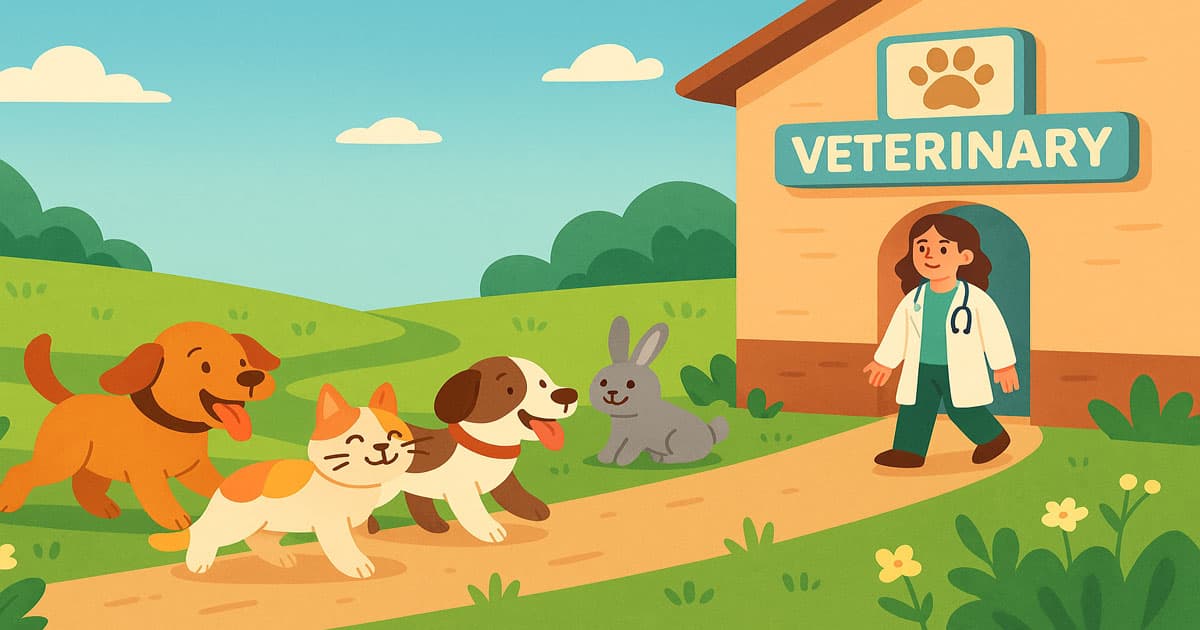
In today’s digital world, a pet owner’s first interaction with your clinic doesn’t happen in the waiting room — it happens online. A professional website is more than a marketing tool; it’s your chance to make every visitor feel that their beloved animal will be cared for by someone they can trust.
From fast booking to secure forms and local SEO, every design choice sends a message about who you are. A modern, easy-to-use website tells people: “We’re organised, we care, and we’ll look after your pet like our own.”
If your current website feels outdated or hard to manage, don’t think of it as a failure — think of it as an opportunity. Redesigning your site can refresh not just your online image, but the way people see your clinic in real life.
At Flamincode, we help Australian veterinary practices do exactly that — turning old, confusing sites into digital spaces that build loyalty, trust, and steady growth.
So, if you’re ready to give your clinic the online presence it deserves, let’s talk.
Together, we can create a website that feels warm, works fast, and helps pet owners choose you with confidence.
FAQs
1. How much does a veterinary website cost in Australia?
Prices vary depending on features, but most professional veterinary websites range from around AUD 3,000 to 8,000.
2. Do I really need an online booking system?
Yes — it’s one of the most-used features by pet owners and drastically cuts down on phone calls and no-shows.
3. Can I edit the website myself later?
Absolutely. We build every site on flexible systems that let you change text, images, or blog posts without needing technical help.
4. How can I improve my site’s SEO as a vet?
Keep your Google Business Profile updated, post regular blog content, and use phrases that include your location (for example, “Vet clinic in Carlton”).
5. What’s the biggest mistake vets make with websites?
Relying only on social media or ignoring mobile users. A dedicated, mobile-friendly website is far more reliable for long-term visibility.

Admin
Mostafa is a Wordsmith, storyteller, and language artisan weaving narratives and painting vivid imagery across digital landscapes with a spirited pen, he embraces the art of crafting compelling content as a copywriter, and content manager.
Comments

makes you realize how critical a good website is for vet clinics nowadays.

Based in
Melbourne, Australia
Your software dev partner, smooth process, exceptional results
Contacts
contact@flamincode.com.au
© All rights reserved to Flamincode