Web Design Ideas for Clothing Brands

M Chetmars
Author
In today’s highly competitive fashion industry, a well-designed website can make or break a clothing brand. Whether you run a small boutique or a large-scale clothing line, your website acts as your online storefront and is often the first point of contact between you and your customers.
The good news is that a modern, well-thought-out web design can help you stand out, gain trust, and turn visitors into loyal customers. This guide will show you some useful web design tips for clothing brands that you can use to make your website look good, be easy to use, and make money.
Why Web Design Matters for Clothing Brands
The fashion market is incredibly visual. People don’t just buy clothes; they buy a lifestyle, a feeling, and a brand identity. Your website must reflect that.
Here’s why web design is critical:
Reason | Why It Matters for Clothing Brands |
First Impressions Count | 75% of users judge a brand’s credibility based on its website design. |
Product Presentation | High-quality visuals and layout help customers imagine wearing the products. |
Mobile Shopping Boom | Over 60% of online fashion sales now come from mobile devices. |
Brand Storytelling | Design helps convey your brand’s values and personality without words. |
Your website is more than just a place to sell clothes; it's also a way to create a memorable brand experience.
Key Elements of a Successful Clothing Brand Website
Before we get into design ideas, let's talk about the most important things that every fashion brand website should have. These are the basic ideas that you will build on later.
Essential Element | Purpose |
Clean Navigation | Easy browsing of collections and categories. |
High-Quality Product Images | Showcase details like texture, fit, and color accuracy. |
Fast Loading Speeds | Reduce bounce rates and keep users engaged. |
Responsive Design | Provide seamless experiences on desktop, tablet, and mobile. |
Clear Call-to-Action (CTA) | Guide customers toward making a purchase or signing up. |
Brand Story Page | Connect emotionally with your audience and convey values. |
Secure Checkout Process | Build trust and reduce cart abandonment. |
Mobile Optimization | Ensure seamless experiences on phones, crucial for sales. |
Social Proof & Reviews | Build credibility and encourage sales through customer feedback. |
Personalized Recommendations | Improve user experience and boost conversion rates. |
Blog / Content Section | Attract organic traffic, build authority, and engage the audience. |
Social Media Integration | Bridge the gap between discovery and purchase; display UGC. |
Accessibility Features | Ensure usability for all, including users with disabilities. |
Your site will be ready for more advanced design strategies once these are in place.
1. Minimalist, Clean Layouts
When it comes to fashion websites, less is often more. A minimalist design keeps the focus on your products instead of overwhelming users with too many design elements.
Best practices:
Use plenty of white space to highlight your clothing.
Stick to 2–3 core brand colors.
Avoid cluttered menus—keep navigation simple.
Example: Think of brands like Everlane or Uniqlo. Their websites are clean, straightforward, and elegant, letting their clothing take center stage.
Why it works: A clean layout aligns with the idea of sophistication and professionalism while improving usability.
2. High-Quality Lifestyle Photography
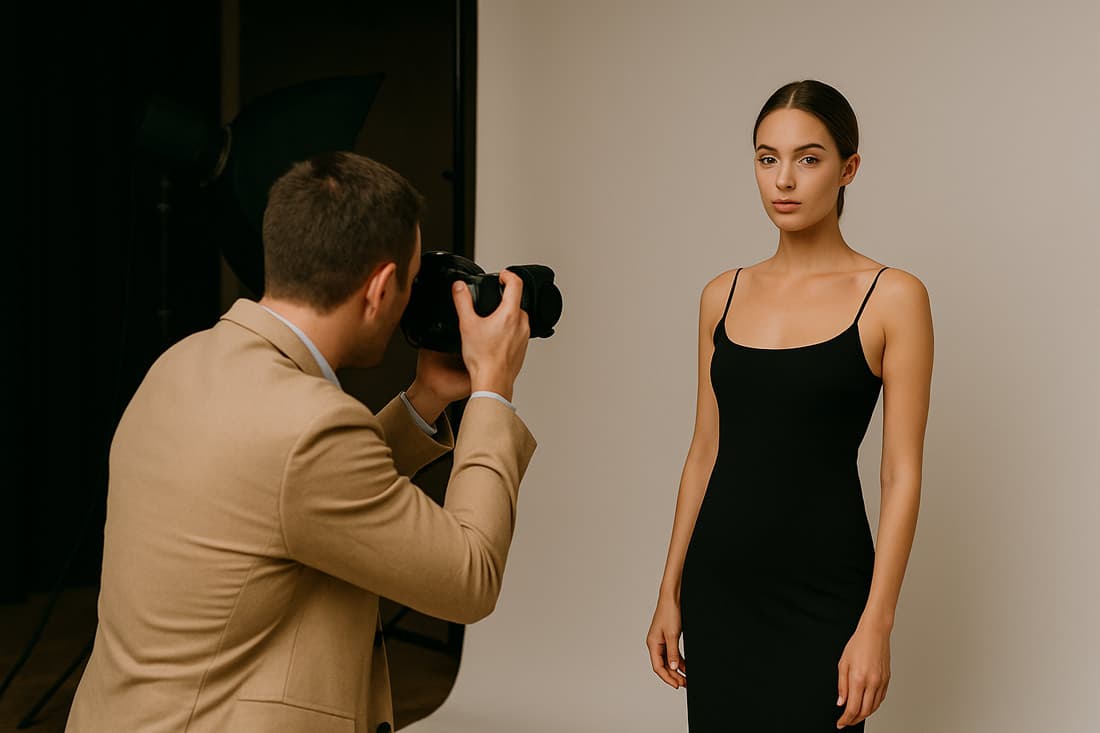
Looks are everything in fashion. Photos of flat products are helpful, but photos of real people wearing your clothes in real-life situations are even better.
How to take good pictures of products:
Include multiple angles of each product.
Show clothing in context—like a dress being worn at a garden party.
Use zoom-in features to highlight details like stitching and fabric texture.
Keep lighting consistent across all images.
Bonus tip: Think about adding short videos of your products. A quick 10-second video of a dress moving can make a big difference in sales.
3. Mobile-First Design
Mobile optimisation is no longer an option because most shoppers look at and buy things directly from their phones. You could lose sales if your clothing brand's website doesn't work well on mobile.
Key mobile design strategies:
Simplify menus with collapsible hamburger navigation.
Use large, easy-to-tap buttons for CTAs like “Add to Cart.”
Optimize image sizes to load quickly on slower networks.
Test checkout flows on different screen sizes.
Pro tip: You can find performance problems with tools like Google's Mobile-Friendly Test.
Check Out Our Services: Web Development
4. Storytelling Through Design
Everyone has their own sense of style. Customers want to know who you are, what you stand for, and why your brand is there. The pictures, words, and layout on your website should all tell the story of your brand.
Ways to integrate storytelling:
A dedicated “Our Story” or “About Us” page.
Timeline visuals showing the brand’s journey.
Images of your team, behind-the-scenes production shots, or sustainable sourcing processes.
Interactive sections highlighting core values like sustainability or craftsmanship.
Customers are more likely to buy from you again if they feel something for you.
5. Highlighting Sustainability and Ethics
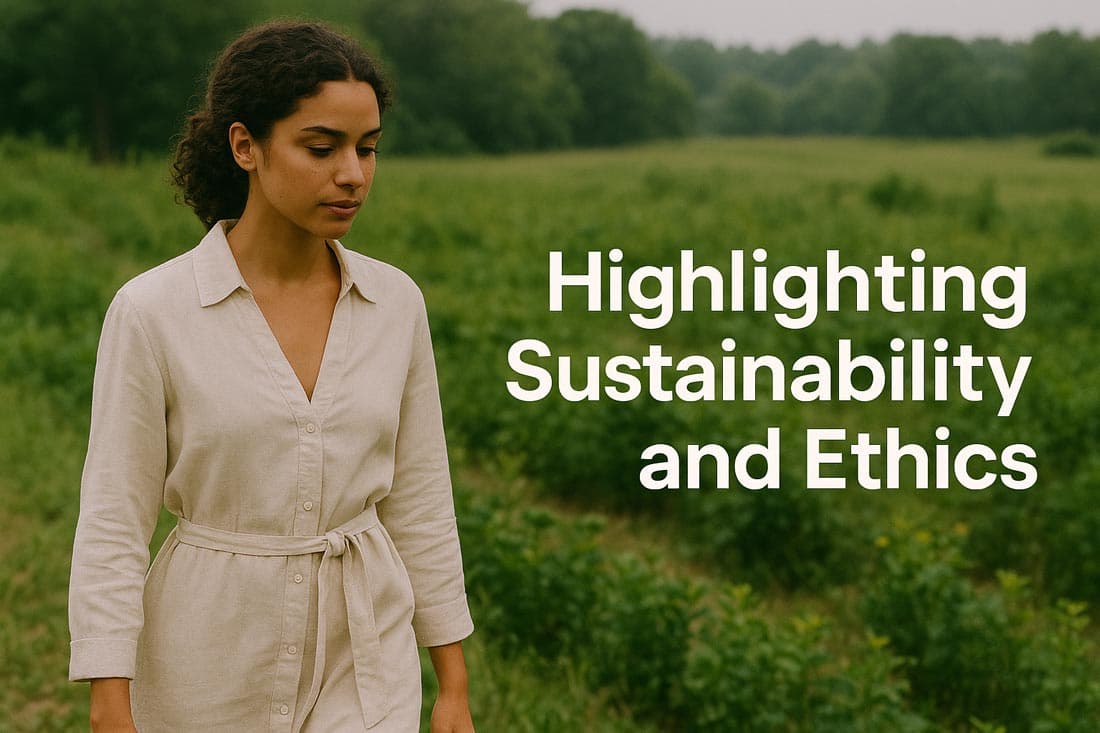
Modern shoppers—especially younger demographics—care deeply about sustainability and ethical practices. Your website should make it clear that your clothing brand cares about these things.
Design ideas for sustainable brands:
Use earthy, natural color palettes like greens, browns, and off-whites.
Create dedicated pages explaining your sourcing and production practices.
Include certifications or badges (e.g., Fair Trade, Organic Cotton).
Feature photos of artisans or eco-friendly factories.
This not only helps people trust you, but it also makes your brand stand out in a crowded market.
Read More: Why Green Web Development Matters in Australia
6. Interactive Shopping Experiences
To really stand out, think about adding fun and memorable interactive features to your store. The key for 2025 is to use AI and augmented reality (AR). AI-powered visual search (which lets customers upload a picture and find similar items) and 3D/AR product viewing are moving from being new to being expected. They give customers an immersive digital experience that makes online shopping feel more like shopping in person.
Examples:
Virtual Try-On Tools: Let customers see how clothing might look on them.
Style Quizzes: Suggest products based on customer preferences.
Mix-and-Match Features: Allow users to pair tops and bottoms virtually.
These features make people more interested and can raise the average order value by getting people to look around more.
7. Strong Call-to-Actions (CTAs)
People should want to do something on your website, like buy something, sign up for a newsletter, or follow you on Instagram.
Best practices for CTAs:
Use action-oriented language like “Shop Now” or “Discover the Collection.”
Make buttons highly visible with contrasting colors.
Place CTAs strategically—hero banners, product pages, and even blog posts.
Example: A call to action like "Sign Up Today and Get 10% Off Your First Order" can help you get more customers and grow your email list.
8. Social Proof and Reviews
Trends and what people in the community think have a big impact on fashion. Adding social proof elements makes you look more trustworthy and helps you make more sales.
Ideas for integrating social proof:
Showcase customer reviews and star ratings on product pages.
Create a “Shop the Look” gallery featuring user-generated Instagram photos.
Highlight press mentions or celebrity endorsements.
Pro tip: Encourage customers to share their outfits with a branded hashtag for easy integration into your site.
Read More: Top Social Media Agencies in Melbourne (2025)
9. Personalized Product Recommendations
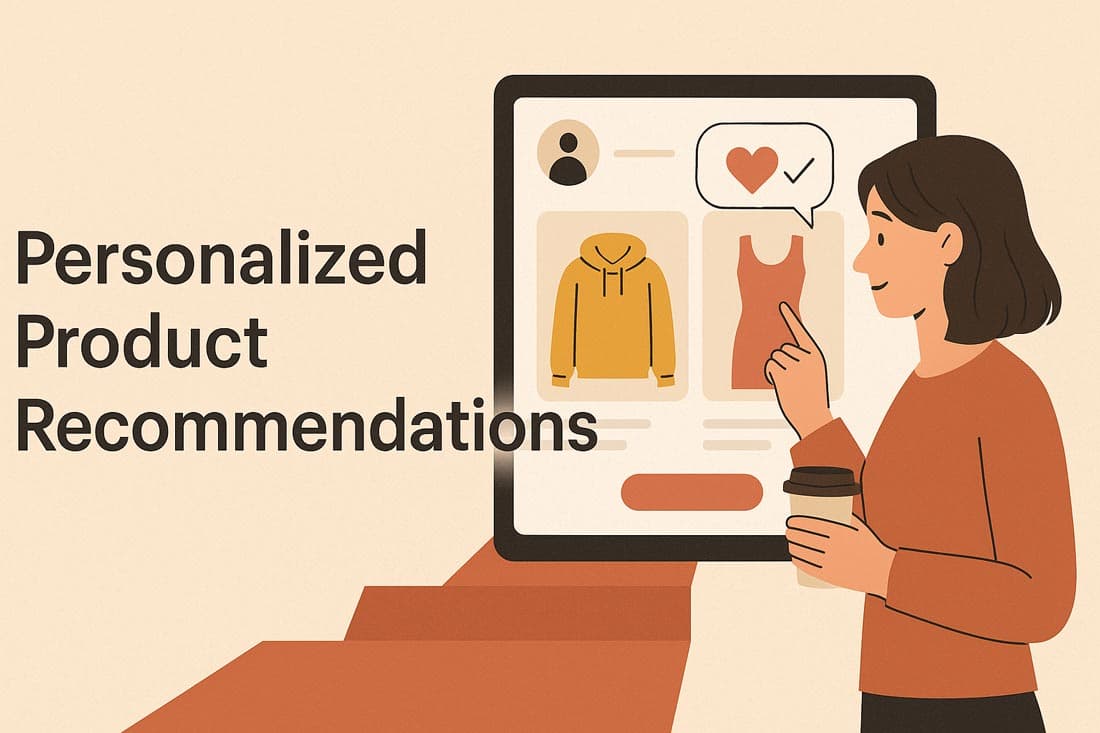
Personalisation is a great way to boost sales. You can recommend products that are relevant to each visitor by looking at their browsing history.
Options include:
“You Might Also Like” sections on product pages.
Personalized emails with product recommendations.
AI-powered recommendation engines for larger stores.
This not only improves user experience but also boosts conversion rates and repeat purchases.
10. Fast, Secure Checkout Process
One of the main reasons people leave their carts is because the checkout process is too hard. Make it simple, quick, and safe.
Key features to implement:
Guest checkout option.
Multiple payment methods (credit card, PayPal, Apple Pay, etc.).
Clear progress indicators (e.g., “Step 1 of 3”).
SSL certificates and visible security badges.
A frictionless checkout process turns browsers into buyers.
11. Blogging for SEO and Brand Authority
It's not just about SEO when you add a blog to your clothing website; it's also about connecting with your readers.
Topics to consider:
Seasonal fashion trends.
Styling guides for different occasions.
Behind-the-scenes stories about your brand.
Sustainability and ethical fashion education.
You can get organic traffic and make your brand a thought leader by regularly posting high-quality content.
Read More: Top Melbourne Web Design Trends for Better Conversions in 2025
12. Example Clothing Website Layout
Here’s an example layout to inspire your own design:
Section | Purpose |
Hero Banner | Show off best-selling or new products with a striking image. |
Featured Collections | Group products by style or season. |
Lifestyle Imagery | Inspire customers with real-world outfit ideas. |
Testimonials/Reviews | Build trust through customer feedback. |
Blog Preview | Highlight the latest fashion tips or trends. |
Footer with Navigation & Social Links | Keep users connected and informed. |
15. Integration with Social Media Shopping
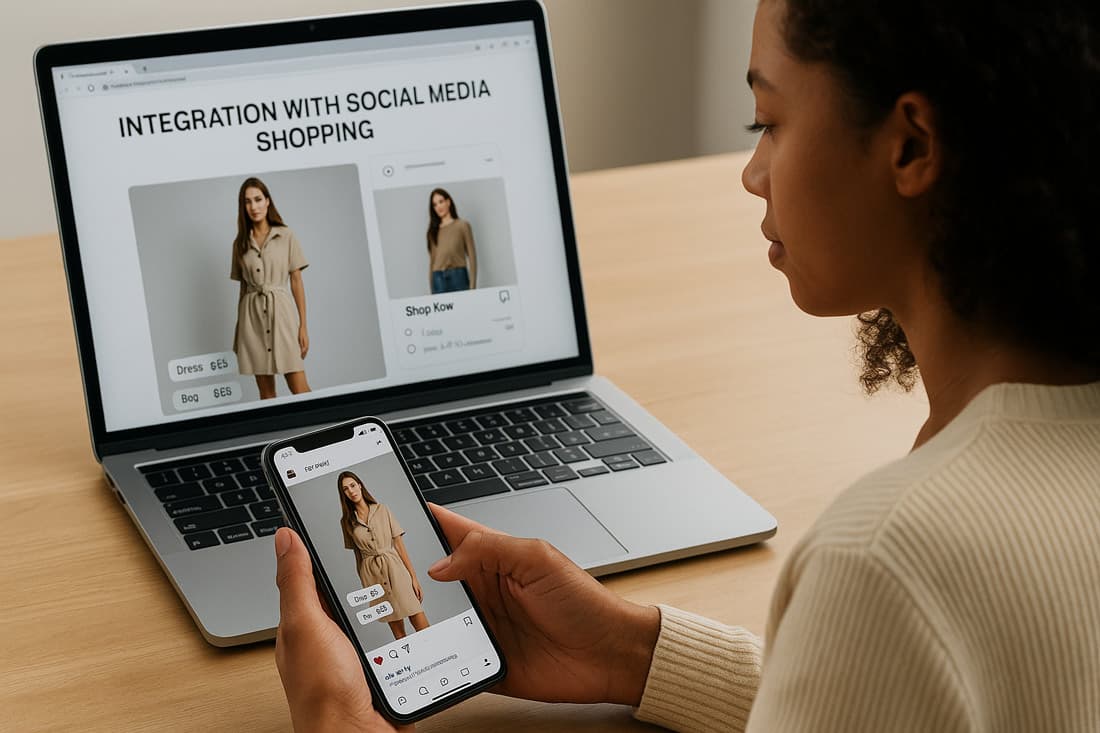
Fashion and social media go together. Before going to a website, a lot of people find brands on sites like Instagram and TikTok. Adding social media to your web design makes it easier for people to find what they're looking for and buy it.
Ways to integrate social media:
Add an Instagram gallery to your homepage.
Use “Shop Now” links connected to your product pages.
Feature TikTok videos showcasing styling tips.
Display user-generated content for added authenticity.
Pro tip: Shopify Collabs and Later are two tools that can help automate this process and keep your feed fresh if you use Shopify.
16. Accessibility in Fashion Web Design
An often-overlooked aspect of design is accessibility. Your clothing brand site should be easy to navigate for all users, including those with disabilities.
Accessibility guidelines:
Use sufficient color contrast between text and background.
Add alt text for all images.
Ensure buttons and links are keyboard navigable.
Provide size charts with clear, readable fonts.
You not only follow the law by making things easier to get to, but you also reach more potential customers.
17. Metrics to Track After Launch
Tracking performance after your site goes live helps you improve and grow. Here are some important analytics to keep an eye on:
Metric | Why It’s Important |
Bounce Rate | Measures how engaging your pages are. |
Average Session Duration | Shows how long users stay on your site. |
Conversion Rate | Tracks the percentage of visitors who purchase. |
Cart Abandonment Rate | Helps identify checkout issues. |
Organic Traffic | Indicates how well your SEO efforts are working. |
You can get information to help you make the shopping experience better all the time by using tools like Google Analytics, Hotjar, or Clarity.
Final Thoughts
The website for your clothing brand is more than just a digital catalogue. It tells stories, drives sales, and shows what your brand stands for. You can make a website that gets and keeps customers by focusing on clean design, interesting visuals, mobile optimisation, and interactive features.
The most important thing to remember is: Put the user experience first. Every design choice should help visitors find their way around, connect with you, and eventually buy your products.
Don't let the old design stop your brand from growing. Work with Flamincode to create an interesting eCommerce site that tells your story and gets people to buy things.
FAQs About Web Design for Clothing Brands
How much does it cost to design a clothing brand website?
Costs vary widely, but expect anywhere from $1,000 for a simple Shopify site to $15,000+ for custom designs with advanced features.
What platform is best for fashion eCommerce?
Popular choices include Shopify, WooCommerce, and Magento, depending on your budget and needs.
How can I make my clothing website stand out?
Focus on unique visuals, brand storytelling, and interactive features like quizzes or virtual try-ons.
Do I need a blog on my clothing brand site?
Yes! A blog helps with SEO, builds authority, and keeps your audience engaged.
What’s the most important part of clothing website design?
A seamless user experience—from browsing to checkout—is the most critical factor for success.

Admin
Mostafa is a Wordsmith, storyteller, and language artisan weaving narratives and painting vivid imagery across digital landscapes with a spirited pen, he embraces the art of crafting compelling content as a copywriter, and content manager.
Comments

makes sense that a good site really impacts sales.

Based in
Melbourne, Australia
Your software dev partner, smooth process, exceptional results
Contacts
contact@flamincode.com.au
© All rights reserved to Flamincode